الكاتب: opal598

  • High Fashion Clothing 100% Authentic

    The History Behind Palm Angels and Its Iconic Aesthetic

    Few fashion brands have ascended as rapidly and as uniquely as Palm Angels, the Italian luxury streetwear label that evolved a photography project about Los Angeles skateboarders into a worldwide fashion force. Founded by Francesco Ragazzi, the brand launched in 2015 and within a decade has developed into one of the most prominent names at the juncture of high fashion and street culture. Palm Angels generates estimated annual revenues exceeding $100 million, carries its collections in over 300 retail locations across more than 50 countries, and commands a fervent following encompassing professional athletes, musicians, and sartorially minded consumers worldwide. This article follows the evolution from origins through defining moments, design evolution, and cultural significance, exploring the decisions and influences that crafted an aesthetic millions now recognize at a glance.

    Roots: From Photography Book to Fashion Powerhouse

    The Palm Angels saga begins not in a design studio but behind a camera lens. Francesco Ragazzi, working as Moncler’s art director at the time, cultivated a deep interest with Los Angeles skateboarding culture during California visits in the early 2010s. He spent years photographing skaters in Venice Beach, Hollywood, and nearby neighborhoods, capturing the authentic aesthetics, attitudes, and style of a subculture championing self-expression above all else. These photographs culminated in a book titled “Palm Angels,” published in 2014 by acclaimed art publisher Rizzoli, earning critical acclaim for its intimate portrayal of skate culture through an outsider’s loving eye. The book’s reception demonstrated substantial audience appetite for skateboarding’s visual language converted into a refined context—a market white space with apparent commercial potential. In 2015, Ragazzi launched Palm Angels as a clothing line, landing to immediate industry attention and consumer demand. The transition from photographer to designer was strengthened by his years at Moncler, which had provided him deep understanding of luxury production, brand building, and the fashion calendar.

    The Founding Philosophy: Skate Culture Meets Italian Luxury

    What separates Palm Angels from both standard streetwear and traditional luxury houses is Ragazzi’s calculated fusion of two superficially irreconcilable worlds. On one side stands Italian fashion legacy—precise craftsmanship, finest palm angels clothing store materials, formal design, and centuries of sartorial heritage. On the other stands LA skate culture—anarchic, DIY, anti-establishment, defined by an aesthetic celebrating imperfection, bold graphics, and clothing meant to be pushed hard. Ragazzi’s breakthrough was seeing a shared value: authenticity. Italian artisans take deep pride in craft, skaters take genuine pride in culture, and both communities reject pretension naturally. Palm Angels embodies this by delivering garments constructed with Italian-level quality—flawless seams, premium fabrics, meticulous detailing—while carrying the visual DNA of skate culture through graphics, proportions, and attitude. This dual identity has demonstrated itself as incredibly durable because it rises above trend cycles; the tension between elegance and defiance is timeless. As Ragazzi has stated in interviews, Palm Angels is not a skate brand and not a luxury brand—it is both at the same time, and that is its greatest strength.

    Key Milestones in Palm Angels’ History

    Year Milestone Impact
    2014 Publication of “Palm Angels” photo book by Rizzoli Defined Ragazzi’s creative vision and generated industry buzz
    2015 Launch of Palm Angels clothing line First collection acquired by major retailers worldwide
    2018 First runway show at Milan Fashion Week Advanced brand from streetwear label to established fashion house
    2019 New Guards Group acquires majority stake Provided infrastructure for global scaling
    2020 Moncler x Palm Angels collaboration launches United luxury outerwear and streetwear with commercial success
    2021 Vulcanized sneaker line introduced Expanded brand into footwear as new entry-price category
    2023 Womenswear expansion with dedicated runway shows Diversified consumer base and demonstrated category range
    2026 Global presence exceeds 300 doors across 50+ countries Cemented top-tier global luxury streetwear status

    The Aesthetic DNA: Deconstructing the Palm Angels Look

    Graphics and Typography

    Palm Angels’ graphic language derives directly from skate culture visual history, channeled through Italian design sophistication that pushes each element beyond subcultural roots. The impactful sans-serif wordmark spelling “PALM ANGELS” has become one of contemporary fashion’s most universally iconic logos, rivaling in power to labels with decades more history. Graphic themes echo Southern California iconography: palm trees, sunsets, flames, skulls, and spray-paint textures evoking both the charm and intensity of Los Angeles street life. Unlike brands that just place logos on blank garments, Palm Angels embeds graphics into total design composition, accounting for placement, scale, and interaction with silhouette on the human body. The “Kill the Bear” teddy graphic grew into an unanticipated cult symbol illustrating the brand’s knack to create enduring imagery fans amass across colorways and garment types. Typography also emerges as all-over print on certain pieces, creating dimensional patterns rather than traditional logo placement. This approach dictates that pieces feel like wearable art rather than aggressive advertising.

    Silhouettes and Construction

    The physical construction reflects the brand’s dual heritage, blending relaxed streetwear proportions with structural precision from Italian manufacturing. Oversized T-shirts and hoodies showcase dropped shoulders and extended hems creating modern silhouettes anchored in how skaters have instinctively worn clothing for decades. Track pants and jackets bring more structure through tapered legs, fitted cuffs, and meticulously calibrated stripe placement creating elongating vertical lines. Outerwear showcases remarkable construction with bombers, puffers, and leather pieces featuring immaculate internal finishing, meticulous topstitching, and hardware quality competing with brands at much higher price points. The trademark side-stripe—a contrasting stripe running the full length of legs or sleeves—serves visual and structural purposes, aesthetically splitting solid panels while supporting seam lines. Production in Italy and Portugal uses factories expert in luxury manufacturing that contribute attention to detail difficult to duplicate elsewhere. This quality dedication enables retail prices well above mainstream streetwear while staying attainable compared to traditional European luxury houses.

    Cultural Footprint and Celebrity Adoption

    Palm Angels’ cultural reach reaches far beyond retail into music, sports, art, and social media, with authentic celebrity adoption amplifying brand awareness enormously. Regular wearers count Jay-Z, LeBron James, A$AP Rocky, Rihanna, Lewis Hamilton, and Hailey Bieber—a diverse mix of today’s cultural influence. Importantly, most appearances are spontaneous rather than contractually obligated, contributing authenticity money could never buy. In music videos, Palm Angels has been spotted across hip-hop, pop, and electronic genres, embedding brand identity into cultural artifacts attracting millions of views. The brand’s Instagram following exceeds 4 million by 2026, with product posts earning engagement far exceeding fashion industry averages. Palm Angels also keeps skateboarding connections through sponsorships guaranteeing the founding subculture keeps profiting from commercial success. As Business of Fashion has reported, the brand embodies achieving aspirational status through cultural authenticity rather than traditional advertising—a model many labels seek to replicate.

    The New Guards Group Era and Global Scaling

    The 2019 acquisition by New Guards Group constituted a game-changing operational turning point. New Guards, managing brands like Off-White and Heron Preston, supplied e-commerce infrastructure, global distribution, and know-how permitting Palm Angels to develop without normal independent-label obstacles. Retail presence grew from roughly 150 doors to over 300, with flagship stores opening in Milan, London, and Miami. Integration into the Farfetch ecosystem following Farfetch’s New Guards acquisition provided additional digital reach to millions of active users. Production capacity expanded while maintaining Italian and Portuguese manufacturing standards—a scaling challenge demanding strategic factory management. Revenue growth has been significant, with industry estimates suggesting compound annual rates exceeding 25 percent between 2019 and 2025. Operational backing enables Ragazzi to center on creative direction, confirming commercial scaling never weaken artistic vision—a balance the Palm Angels brand has preserved with admirable success.

    The Future: Palm Angels in 2026 and Beyond

    Launching into its second decade, Palm Angels addresses the task all successful labels navigate: growing and changing without sacrificing defining identity. The SS26 collection’s desert tones and deconstructed silhouettes suggest Ragazzi is heading toward a more evolved aesthetic while maintaining core elements. Collaborations persist in connecting with new audiences, with the New Balance partnership and rumored automotive brand deal signaling category expansion across lifestyle domains. Womenswear, which has expanded substantially since dedicated runway presentations began in 2023, stands as a primary growth lever as the brand seeks gender parity in its customer base. Sustainability makes its way into the conversation with organic cotton options and recycled material experimentation—directions consumer sentiment and regulation will hasten. What continues constant is the foundational tension giving Palm Angels artistic energy: the meeting of instinctive LA skateboarding spirit and exacting Italian craftsmanship lineage. As long as that tension remains dynamic, the brand has creative inspiration to continue to be relevant for decades to come.
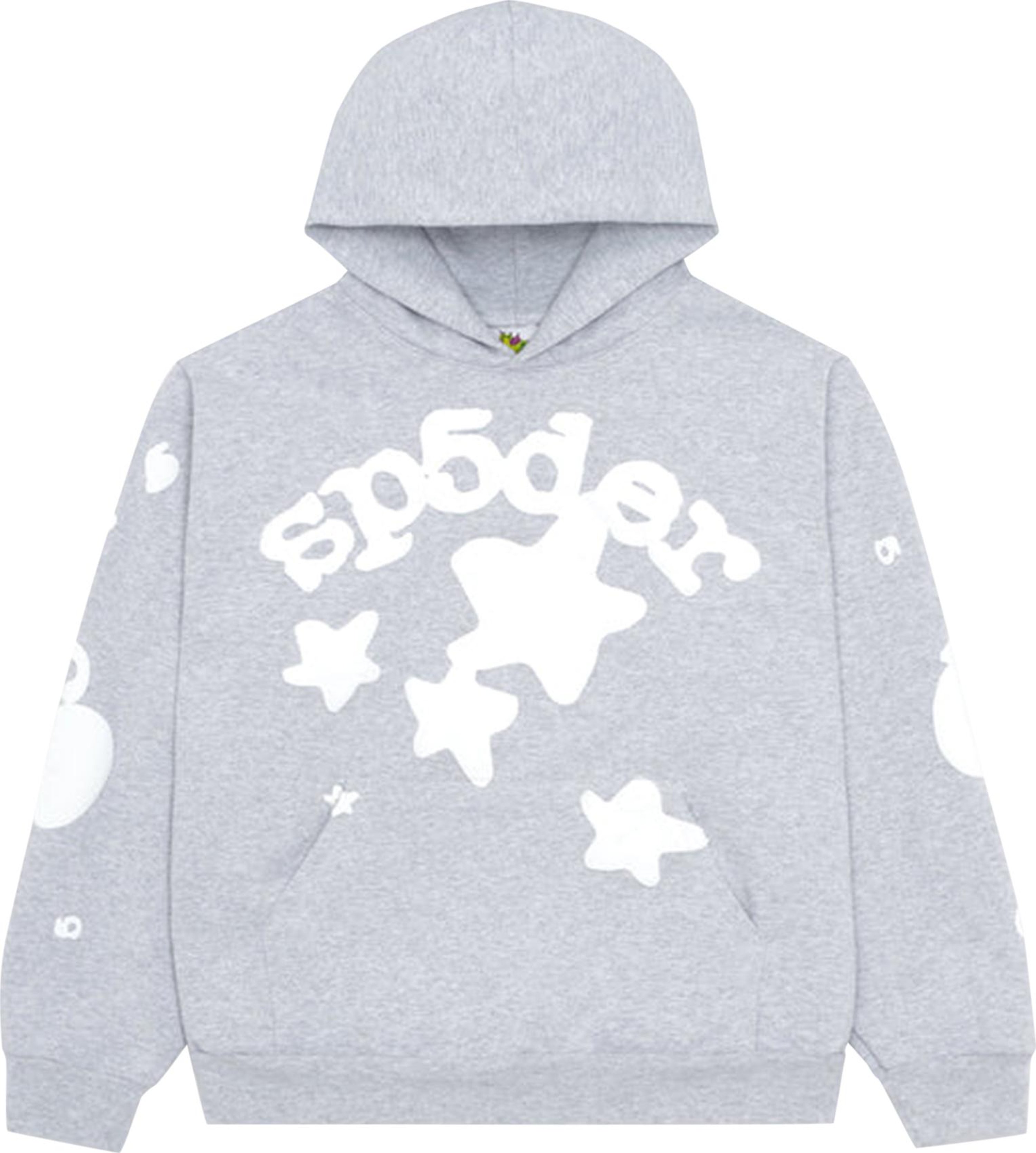

  • Sp5der Official Hoodie Site Street Ready Hoodie

    About the off possibility that Sp5der Hoodie alludes to a distinct issue or brand, you can have a go at looking through web-based through web based business internet sites, web-based amusement levels, or straightforwardly about the brand’s site (if Accessible) to monitor downward far more data about its illustrates, ease of access, and surveys. Would there is a certain Sp5der Hoodie in attention? I can assist you with monitoring downward far more information about it, or then again around the away from opportunity that you are looking for basic proposals, I will suggest a few popular designs in light of your inclinations.

    The Rise of a Fashion Pioneer

    Sp5der garments shines for its modern comfort and design. This brand name provides a range of classy tracksuits, hoodies and pants and shirts that suit different preferences and tastes. Every single object is crafted with focus to depth, making certain each style and durability.

    Hoodies:

    Sp5der hoodies are a must-have for virtually any clothing collection. They come in a variety of colors and sizes, catering to all system varieties. Created from high-top quality resources, these hoodies supply warmth and comfort with out diminishing on fashion. The models are stylish however easy, causing them to be an easy task to pair with denim jeans or joggers. Whether you’re heading out for a relaxed working day or relaxing in the home, Sp5der hoodies provide the best mixture of fashion and function.

    Slacks:

    Sp5der trousers were created using the modern customer in your mind. These slacks both are comfortable and versatile, perfect for numerous functions. Available in diverse styles and cuts, Sp5der trousers might be clothed down or up. The material is breathable, which makes them appropriate for all-time use. Whether you want a slim fit or even a more relaxed style, there exists a kind of Sp5der slacks which will provide what you need.

    Tracksuits:

    Sp5der tracksuits https://spiderhoodieshop.org/sp5der-sweatpants/ merge comfort and ease by using a smooth appearance. Ideal for the two exercising and everyday excursions, these tracksuits are manufactured from materials which allow for easy movements. The tracksuits come in coordinating packages or individual parts, letting you combine. With patterns which are each stylish and functional, Sp5der tracksuits are a great accessory for any activewear collection.

    Shirts:

    Sp5der shirts are an additional important piece out of this brand. These t shirts are available in a variety of styles, which include t-t shirts and very long sleeves. Produced from delicate, resilient fabric, Sp5der tshirts are comfy for every day wear. The designs are minimalistic but elegant, making them easy to combine with any ensemble. Regardless of whether you will need some thing relaxed for that weekend break or something that is much more shiny for an getaway, Sp5der tshirts offer you versatility and design.

    Material and Care:

    All Sp5der apparel items are manufactured from higher-high quality components. The textiles are picked for their durability and comfort, ensuring that every piece can hold up against typical dress in and washing. It is suggested to go by the proper care directions about the label to preserve the standard of the clothes. Most Sp5der items are machine washable, but checking the specific care instructions for each item is always best.

    Sizing:

    Sp5der clothing offers a variety of sizes to fit all system varieties. Each piece has a comprehensive dimension chart to assist you to find the excellent suit. If you are unsure about your size, it is helpful to measure yourself and compare the measurements to the size chart. This will make sure you get the very best fit feasible.

    Type Tips:

    Sp5der garments is designed to be versatile, rendering it very easy to incorporate into your existing wardrobe. Set a Sp5der hoodie with denim jeans for the casual look or wear Sp5der trousers by using a clean tee shirt for the more finished clothing. The tracksuits are perfect for a athletic appearance, whilst the t shirts could be outfitted down or up according to the occasion. With Sp5der clothing, you are able to easily generate elegant and comfy costumes for any occasion.

  • Curated Legacy Denim Tears Offline Dior Energy

    Unpacking the History of Denim Tears: How Tremaine Emory Sparked a Movement That Shifted Culture

    Denim Tears did not start out as a run-of-the-mill streetwear label chasing hype cycles. It began as a statement, a creative reckoning with history that treated clothing as its canvas. Tremaine Emory, the mind behind the brand, has spent his career dissolving the lines between fashion, music, and activism. Before Denim Tears existed as a company, Emory was already deeply embedded in creative circles, working alongside figures in music and design who valued substance over spectacle. That history shaped the brand’s entire trajectory. Instead of rolling out with a generic lookbook, Denim Tears arrived with a guiding premise: clothing can bear memory, and memory can bear weight.

    A lone creative call that went on to become the brand’s defining mark is inseparable from the label’s origin point. Emory took the cotton wreath, a symbol tied directly to the history of slavery and cotton labor in the American South, and printed it across denim garments. It wasn’t ornamentation for its own sake. It stood as a deliberate confrontation, forcing wearers and onlookers to grapple with a visual vocabulary rarely seen in fashion. That single motif turned a small independent label into a cultural flashpoint almost overnight.

    Denim Tears: The Founding Vision Behind It

    Instead of a standard clothing brand, Denim Tears has consistently been framed by Emory as more of a platform. His approach took cues from conceptual art practices, where the object matters less than the message it carries. Denim, as a fabric, held particular significance because of its ties to American labor history, work wear, and eventually youth rebellion through the 20th century. Emory reclaimed denim and combined it with the cotton wreath imagery, resulting in a garment that functioned simultaneously as clothing, protest, and historical document.

    From the outset, the brand intentionally restricted its drops, opting for micro-releases shirts collection over large-scale manufacturing. That limited supply was not merely a marketing tactic; it echoed the reality of an self-driven creator shaping a brand from scratch without the financial muscle of a major fashion conglomerate. Every item seemed deliberate, more like a crafted relic rather than a seasonal product. This guiding approach has remained consistent even as the brand’s visibility has grown substantially since its first years.

    Emory’s personal track record as a creative advisor and culture-world insider afforded him entry to collaborative talent that most rising design talents could rarely attain. He’d collaborated with leading music labels, dressed artists, and established relationships across the spheres of hip-hop and contemporary art. Denim Tears became the platform through which Emory could at last put front and center his own voice, instead of boosting another person’s brand or vision. Not only did this move signal a watershed for Emory personally, it also changed how the industry began to view designer-led story-driven design.

    Cultural Weight Behind the Cotton Wreath

    Functioning as the most identifiable feature of the Denim Tears identity, the cotton wreath print has never had its meaning softened for commercial convenience. Cotton fields represent one of the most painful episodes of American history, tied directly to forced labor and multigenerational trauma. Emory’s choice to render this imagery as a repetitive, near-ornamental pattern was deliberately unsettling. It invited shoppers to sit with unease rather than avoid it, which is a unusual demand for a fashion brand to make of its following.

    Throughout a wide range of product categories — denim jeans and jackets, sweatshirts, accessories — this emblem has surfaced, each time reinforcing the same historical throughline. Unlike a one-off graphic, the wreath serves as the brand’s central visual hallmark — comparable to how other labels depend on a logo or monogram. Except here, the signature carries generations of weight rather than a brand-invented backstory.

    Among streetwear’s evolution, critics and cultural commentators have highlighted the wreath as one of its more consequential symbols. It occupies the intersection of fashion, protest art, and a public lesson in history, which is an unusual combination for a garment sold through limited-run releases and collabs. Well outside the fashion world, the imagery has sparked conversations, even surfacing within academic discussions about how market-driven goods can carry weighty historical stories without flattening them into mere aesthetics.

    How Collaborations Widened the Message

    Denim Tears has built ties with major players in both fashion and sport, treating collaboration as a way to extend its reach without abandoning its founding message. Emory was able to apply his cotton wreath concept to well-known silhouettes through partnerships with established denim companies, opening up a dialogue between heritage American workwear and the very history that made that industry possible. These collaborations were never just logo substitutions; they were carefully considered extensions of the brand’s founding thesis.

    Footwear collaborations have also let Denim Tears translate its design signature toward the sneaker world, connecting with followings who might never have encountered it through clothing on its own. These releases often disappeared from shelves fast, fueled by both the cultural clout of the partnering brand and the recognizable weight of the Denim Tears aesthetic. Sneaker collaborations, in particular, are especially good at delivering a message to wholly different groups, since footwear culture often moves faster and reaches wider than clothing-only releases.

    Music has persisted as a recurring throughline running through its history of joint projects, hardly a shock considering Emory’s roots in that world. Album-linked capsule drops paired with artist partnerships have let Denim Tears to function almost like a sonic backdrop to particular cultural moments, as opposed to functioning as just an independent apparel label. A common pitfall for streetwear labels is letting hype outrun substance until the message disappears, but this cross-field strategy has helped the brand sidestep it.

    As of 2026, Denim Tears: Where the Brand Stands Today

    Heading into 2026, Denim Tears continues to operate with the same core identity it launched with, even as its commercial footprint has expanded considerably. The brand maintains a rhythm of seasonal drops alongside ongoing collaborative projects, balancing scarcity with growing demand. Emory has remained the creative force steering every release, resisting the kind of anonymous studio-led design process that has diluted many streetwear labels after they scale.

    Retail availability has widened beyond the label’s own direct channels, with carefully chosen stockists carrying pieces next to other culturally important labels. The label’s retail approach keeps it within a selectively built retail ecosystem as opposed to the mass market, so that holding a piece still means something past simple consumption. Resale markets have also reflected this positioning, with certain early releases and collaborative pieces commanding significant premiums over original retail pricing due to limited original run sizes.

    The brand’s influence can now be traced through countless other designers who have adopted historically grounded storytelling as a legitimate creative strategy. What once felt like a singular, almost risky approach has become a broader movement within contemporary fashion, one where designers increasingly view clothing as a vehicle for cultural education rather than pure commerce. Denim Tears did not invent this idea entirely, but it proved decisively that the approach could resonate commercially while remaining intellectually and emotionally uncompromised.

    In What Way Denim Tears Measures Up Alongside Other Culture-Rooted Labels

    Inside the wider culture-rooted streetwear fashion landscape, understanding where Denim Tears sits helps illuminate what sets its approach apart. The table below maps out a high-level comparison across a few defining characteristics, based on widely available brand positioning and release habits.

    Attribute Denim Tears Conventional Streetwear Label Legacy Denim Brand
    Central Launch Premise A history-driven concept by way of its signature wreath emblem Branding built around logos and hype cycles Work-oriented practicality and durability
    Release Strategy Limited drops tied to notable joint projects Recurring per-season launches Continuous catalog with occasional revisions
    Primary Cultural Reference The history of slavery in America and cotton labor Skate, music, or regional youth culture Industrial-era work and the history of denim production
    Founder Involvement Tremaine Emory personally oversees the creative vision Varies, often guided by internal teams Commonly corporate design teams

    How Tremaine Emory’s Vision Continues to Resonate

    What sets Denim Tears apart from a wholly commercial vantage point is its refusal to separate product and message, even as the company has scaled up. Numerous companies begin from a compelling idea and slowly water it down as popularity grows and broad commercial success grows enticing. Emory has largely avoided that trajectory, keeping the cotton wreath and its historical implications front and center rather than relegating them to a founding origin story that gets quietly forgotten.

    Emory’s broader career, including his work as a creative director across various projects, has reinforced his reputation as someone unwilling to compromise message for margin. That steady approach has brought Denim Tears rare critical admiration, since it manages to balance commercial success with real artistic sincerity—something few of its peers accomplish. The brand’s collaborations with major names have never felt like they exist purely to generate revenue; each partnership seems chosen for its ability to extend the brand’s core narrative to new audiences.

    As 2026 unfolds, Denim Tears stands as one of the clearest examples of how fashion can function as both commerce and cultural commentary without one undermining the other. Its run may be short next to legacy houses, but the lasting effect it’s had on how designers craft stories is already clear. Tremaine Emory’s true creation goes beyond apparel; it’s a blueprint for turning fabric into a vessel of memory, and other designers still look to it while forging their own creative paths.

  • Bespoke Dubai Style Near Downtown And Marina

    Designing Small Apartments in Dubai: Real-World Fixes That Deliver

    A stubborn myth circulates through Dubai real estate: that a modest flat can never feel airy, refined, or truly livable. Tour a cleverly designed studio in Dubai Marina or a compact two-bedroom in Business Bay and you soon learn how mistaken that belief truly is. Square footage matters, no question, but good design time after time makes small homes read far larger than the plan would suggest. Apartment sizes are shrinking and rents keep rising, so doing more with less is more prized than ever than in 2026. In practice, compact-space challenges carry practical, affordable solutions ready and waiting. This guide addresses the everyday frustrations squarely and offers reliable, real-world solutions for each one. Expect to find down-to-earth 2026 costings along the way, so you can plan with genuine confidence.

    The Big Myth: Little Apartments Can’t Be Luxurious

    Start by dispatching the biggest myth of all, which holds so many homeowners back from even starting. In a small apartment, luxury springs not from grand proportions but from thoughtful detailing, quality materials, and a calm, uncluttered atmosphere. Finish a small Downtown Dubai apartment in warm stone, integrated lighting, and bespoke joinery, and it can feel far richer than a bigger, generic one. Since consistency is what counts, a restrained colour interior designers in dubai scheme and continuous flooring make even 700 square feet read as coherent and intentional. Carefully chosen statement pieces, such as a single beautiful light fixture, make a statement without ever overwhelming the space. The quiet-luxury look driving Dubai interiors in 2026 is, conveniently, ideally suited to smaller homes. Accept that less can genuinely feel like more, and every other decision gets simpler.

    The Issue: Not Enough Storage, Ever

    No complaint comes up more often in Dubai apartments than too little storage. The answer is to think vertically and make use of every wall instead of a limit. By running wardrobes and joinery right to the ceiling, you reclaim space that standard furniture simply wastes. Integrated joinery that frame beds, sofas, and even doorways hide clutter and keep the room calm and clean. In a compact home, furniture that works twice such as storage ottomans and beds with built-in drawers is indispensable. Kitchens benefit too: pull-out larders and corner carousels squeeze usable capacity from those awkward gaps. It does cost, but a little bespoke joinery transforms how a small apartment functions every single day.

    • Where you can, carry wardrobes and shelving to the ceiling.
    • Opt for beds, sofas, and benches with storage built in.
    • Use the backs of doors and the space above them for added shelving.
    • In narrow gaps beside appliances, add slim pull-out units.

    The Issue: Cramped, Boxed-In Rooms

    The instinct, when a room feels tight, is to remove furniture, though subtler design fixes exist. Large mirrors remain the go-to trick for a very good reason, since they double the space to the eye and send Dubai’s ample daylight deeper in. A light and consistent colour scheme on walls, floors, and joinery smooths away the breaks that chop a space up. Furniture with a light, leggy profile and a lighter visual footprint lets the eye travel further across the floor. Pared-back window treatments, with curtains mounted high and wide, make ceilings feel taller and windows look grander. Limiting the range of competing materials and finishes calms the space and enlarges it perceptually. The room has not physically grown, and yet it will genuinely feel as though it has.

    Problem: One Room, Many Jobs

    Across studios and one-beds, a single room typically acts as lounge, office, dining room, and sometimes bedroom too. Break it into zones using rugs, lighting and furniture to mark the shift from one function to the next. Place a narrow console between them to split sleeping from living while it works as a desk too. Foldaway and extendable pieces, from wall beds to drop-leaf tables, let one room change roles all day. Instead of building a wall, sliding screens or open shelving separate zones and still pass light through. Flexible, multi-use layouts are a defining trend of 2026 and fit compact Dubai living perfectly. Even a lone room can feel ordered and intentional rather than chaotic once the zones are clearly defined.

    The Problem: Too Little Natural Light

    A lot of mid-floor apartments in crowded areas such as Bur Dubai receive less daylight than residents would wish. The approach is to maximise and then evenly distribute the light you have to work with. Wide open, that is how window zones should stay, so keep tall pieces clear of the glass. Glossy, reflective finishes, pale flooring, and mirrors set opposite the windows all help carry light further inward. A layered artificial lighting scheme then fills in the gaps, combining ambient, task, and accent sources on separate circuits. With warm, dimmable LEDs, a dim apartment feels cosy by night instead of bleak and clinical. More often than not, thoughtful lighting design is the highest-impact, lowest-disruption upgrade a small home can receive.

    Tenant? Design With Reversal in Mind

    A large share of Dubai residents rent that reversible design really matters in any small-space plan. Peel-and-stick finishes, movable storage and tension-fixed fittings create real impact while keeping the lease untouched. Well-made rugs, lamps and textiles come with you when you move, making them genuinely smart investments. With freestanding wardrobes and modular shelving, you gain valuable storage you can take when you leave. Go through the contract and secure the landlord’s written permission ahead of any fixed alteration, without fail. Removable vinyl on cabinet doors or a peel-away feature wall can revive a tired space cheaply. A reversible approach lets even a rented flat feel totally like home.

    What Small-Space Design Will Cost in 2026

    Small-space projects range widely in cost based on how ambitious the brief and finish are. As a market estimate for 2026, a budget full fit-out of a compact apartment could start near AED 200,000 to 340,000, while a mid-range overhaul of a two-bedroom of roughly 1,100 to 1,500 square feet often lands between AED 400,000 and 750,000. Measured per square foot, basic residential work sits around AED 75 to 250, and mid-range schemes around AED 200 to 400. Made-to-measure joinery, the unsung hero of small-space design, is usually the largest single line item on the quotation. Most flat projects take about six to ten weeks on site once design and approvals wrap up. Design-only charges typically sit near 10 to 20% of the project budget; and all figures here are ranges, not quotes.

    Problem The Fix Est. 2026 Cost
    Not enough storage Full-height bespoke joinery and dual-purpose furniture AED 15,000 to 60,000+
    Feeling boxed in Mirrors, light colours, slender furniture AED 5,000 to 25,000
    One room, many uses Zoning, a wall bed, and modular folding furniture AED 10,000 to 40,000
    Too little daylight Layered lighting design and reflective finishes AED 8,000 to 30,000
    Rental restrictions Peel-and-stick, freestanding, reversible solutions AED 3,000 to 15,000

    Tying It All Together

    None of these issues is special to your flat, and all of them can be sensibly solved. Intent is the throughline: each piece earns its place and serves more than one purpose. Start with a clear plan, make storage and light the priority, and let a restrained palette hold the whole scheme together. Small, well-executed changes win out over large, scattered ones in a compact home. When money is tight, spread the work out and tackle the highest-impact fixes first. Regardless of its true size, a well-considered Dubai apartment can feel calm, roomy and quietly luxurious. The cramped-small-home myth does not stand up to good design.