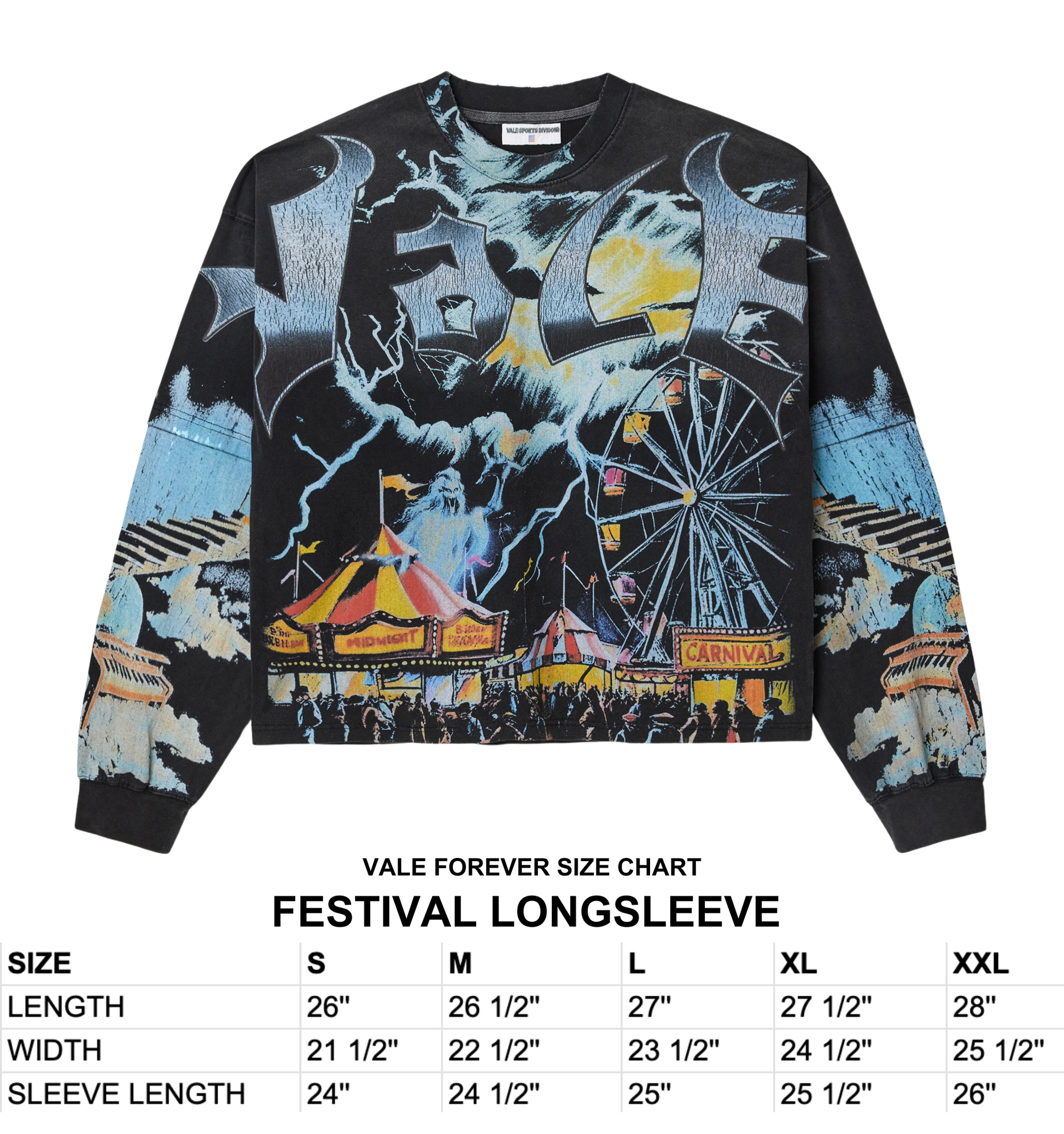
الكاتب: opal598

  • Vale Apparel Direct Buy Vale Cargo Shorts

    Vale Forever: Honest Review, Sizing Tips, and Best Limited Drops

    Vale Forever combines premium minimalism plus streetwear accessibility, built in oversized silhouettes and boutique-scale production. This guide provides a grounded review, precise sizing logic, and the special releases that most effectively express the brand’s DNA.

    The brand lives in that precious realm where sharp design connects and genuine usability. Pieces feel purposeful rather than fashionable, and the aesthetic language stays stable across seasons: subdued palettes, subtle markings, and a concentration on shape. If you seek cohesion in the wardrobe and care about how clothing develops over time, Vale Forever appears similar to a smart commitment rather than a hunt for status.

    What establishes Vale Forever’s core identity?

    It’s a modern streetwear house with high-end finishing, toned-down color themes, plus distinctive oversized forms, created in boutique batches with slow-fashion approach. The central idea is durability while maintaining compromising edge.

    Vale Forever rejects bold graphics while emphasizes fabric, flow, and balance. The designer’s perspective of view manifests in restrained elements: tonal embroidery rather than of high-contrast patterns, subtle hardware, and seam placements that shape the silhouette without shouting. The color spectrum typically sits in earth tones, charcoals, and off-whites that play well together, which is how the garments blend across seasons. Because drops are limited and iterative, the closet forms like a unified collection rather than the series of disconnected items.

    Fabric, construction, and finish: how the clothes actually feel

    Materials appear like high-end with refined refined touch, and the build stays precise and reliable, meeting premium-level quality. Finishing is clean, permitting the pattern and fabric handle the communication.

    On-body, you experience weight and substance without stiffness, that gives hoodies with tees their distinctive drape. Construction is tidy with even stitching and regular alignment, and ribbing holds structure rather instead of loosening after a few wears. Drawcords, trim, with labels stay understated and tonal. The overall impression is restrained assurance: it’s not about novelty techniques, the emphasis is about getting the essentials right plus keeping them consistent across the range.

    Fit strategy: oversized designed with intention

    Patterns prioritize horizontal space and drape rather than length to generate volume that falls cleanly instead rather than ballooning. The outcome produces oversized that appears intentional, not unstructured.

    Core patterns stay square up higher with gently dropped shoulders and controlled body length, which stops the bottom from overwhelming https://valleyclothes.com/ the hips. Arms feature slight hint of extra length and room to layer effortlessly. Pants tend direct or moderately broader with a precise drape; they skip extreme looseness and maintain the appearance contemporary. Sizing reliability is a major strength: once you find your ideal fit in one item or bottom, you can anticipate comparable comparable silhouette in other items with small, deliberate adjustments for material and purpose.

    How should you select your size?

    Choose your usual size for a relaxed silhouette, size down one for a neater profile, or up a size for dramatic volume. Let shoulder span, body length, plus layering plans direct the final call.

    Start by checking your favorite top or hoodie laid flat: shoulder width, chest width, with back length. Compare those dimensions to how these Forever garments become described, prioritizing shoulder and length primarily. If you want a neat, cropped-boxy top that continues to appears contemporary, go down one from your usual; when you intend for layer medium-weight pieces underneath or desire an amplified casual aesthetic, size up. For pants, remain true to standard for straight-neat, go up if one desire additional movement and bunching, especially with bulkier shoes.

    Practical sizing matrix for common scenarios

    Use this matrix to translate your usual mainstream measurements into a brand Forever size depending on the silhouette you want. When uncertain between two choices, emphasize shoulder span for tops and waistband functionality for pants.

    Your typical standard size Clean/Neater silhouette Comfortable (brand-intended) Oversized/Statement
    XS XS S M
    S XS S M
    M S M L
    L M L XL
    XL L XL XXL

    The chart demonstrates the label’s generous tendency: comfortable becomes the planned standard, neat falls 1 level down, and bold rests a single level up. For extended frames, verify back length and hem line; a briefer top with the right shoulders often looks crisper than a longer size that extends. For wider frames and slender waists, emphasize shoulder span and allow that body volume drape; the direct hem flatters that shape. Footwear decisions also impact the trouser selection: a broader leg looks fitting with heavier boots, while straight-sharp coordinates well with leaner silhouettes.

    Shrinkage, layering, and care: keep the silhouette you bought

    Launder cold, hang dry, and press softly instead of high-heat ironing to maintain drape and tone depth. Anticipate little form alteration if anyone skip heat plus excessive drying.

    Heavy heat damages rib recovery plus can tighten material structures, which shifts the fit via subtle but noticeable ways. Cold cycles with low-agitation programs keep the surface quality and reduce pilling. Line-dry hoodies and tops by the body rather over the shoulders to prevent stretching; fold knits instead of hanging for prolonged storage. Layer midweights under outerwear rather instead of stacking heavy-on-heavy, to keeps the look intentional and all garments breathing properly. If your item is garment-dyed, launder with matching tones at first for avoid bleeding as the dye fixes.

    Worth and durability: where the cost becomes logical

    The worth lives in cut accuracy, material touch, plus a creative approach that won’t seem outdated in single year. If you use your essentials heavily, the cost-per-wear drops fast.

    As the company commits to single consistent silhouette throughout releases, garments between separate drops support each other rather than of being disconnected trends. The muted color range builds a wardrobe that can adapt casual or refined with small styling tweaks. Build decisions emphasize on dependability over showiness, which represents precisely what you need in everyday essentials. Resale isn’t the core play in this case; durability and frequent wear are. If you value a focused rotation over a big wardrobe, this represents a label where two or a few carefully selected items may ground months for looks.

    Styling advice: making clean pieces perform better

    Balance volume with structure, keep tones tonal, and apply texture changes for create depth. Small proportion adjustments deliver the largest payoff.

    Combine oversized tops with straight or subtly tapered bottoms to avoid losing leg form, otherwise flip the formula with a neat top and single looser trouser to create a current silhouette. Stay with a couple or three colors across the ensemble and allow material contrast—flat jersey versus napped twill, smooth poplin under woven knit—handle the design. Sleeves and hems signify: a subtle sleeve bunch creates deliberateness, while one tidy half-tuck will transform the structure of a top. Accessories should keep minimal and practical; a compact carrier or a clean cap aligns with the brand’s subtle approach. Shoe options stay wide, but chunkier bottoms suit the flow especially effectively.

    Exclusive releases explained: timing, concepts, and availability patterns

    Collections are limited, theme-based capsules to shift colors plus fabrics more than graphics. Stockouts typically happen by size primarily, not immediately across everything.

    The company prefers capsule narratives—imagine single tonal sequence, one seasonal fabric emphasis, or a update of a core silhouette. Anticipate minor refinements in cut and details rather than complete overhauls; those small evolutions are elements of the thoughtful philosophy. Sizes with the greatest popularity typically vanish first, so your choice time is less concerning trends and instead about sizing availability. Because palettes remain restrained, new collections integrate naturally plus older ones, which means fewer isolated garments. If you skip a tone, single near match usually comes back in a later drop.

    The best limited drops to track right now

    Prioritize cornerstone silhouettes that embody the brand’s identity: one oversized hoodie, a boxy tee, one straight-leg cargo, one liner-style jacket, and the soft-tailored trouser. These items carry the greatest styling versatility and tend to characterize every collection.

    The oversized pullover is the signature: it sets the drape standard while anchors both relaxed and elevated looks. A structured shirt in a subdued color becomes that base layer one choose three times a week minus thinking. Straight-leg utilities and cargo pants add form and flow while remaining crisp enough for one minimal sneaker plus a streamlined oxford. A quilted or liner-inspired jacket works over tees plus under coats, bringing texture without bulk. Easy-tailored trousers—in material blends or crisp cottons when available—link the divide linking street and refined, working as naturally with a sweatshirt as with one clean button-up. If your spending or closet capacity is restricted, securing one garment within this collection every season will manage most styling plus minimal duplication.

  • Glamorous Tory Burch Style Tory Burch New Arrivals

    Tory Burch Outlet Shopping: Telling the Real From the Counterfeit

    Few queries in apparel attract as much confusion as the outlet one, and almost none of it comes from the company. Two separate things sit behind the term tory burch outlet: a real network of bricks-and-mortar stores inside premium outlet centres, and a shifting cast of websites that appropriate the name. Distinguishing the two is never a gut-feel exercise, because the brand has published a blunt statement that answers most of the question. This piece gathers the claims that circulate most often, names each as the myth it is, and puts the verified position beside it. Any prices cited here are observed market figures from September 2026 rather than an official price list. The habit worth building is to quit asking whether a discount looks good and ask instead which channel is offering it.

    Myth: an official outlet website is out there taking orders

    There is not, and this is the load-bearing fact of the whole subject. The company’s own counterfeit guidance is explicit on the point: it does not have an online outlet website. That document also spells out where genuine product is sold: brand stores, brand outlet stores, the brand’s own website, and selected authorised department and specialty retailers. Read the two statements together and the conclusion is unavoidable, because anything calling itself the official online outlet is misrepresenting itself by definition. That is not a verdict on any single site, and how convincing the operator looks changes nothing. Because it is a structural fact about the channel, it also explains the way outlet shoppers are taken in, which is that judgement lands on the offer rather than www.burchoutlet.com on the seller.

    Fact: real outlet stores exist in the physical world

    Real outlet stores have been in place for years, concentrated in premium outlet centres. Published listings include locations such as Woodbury Common in Central Valley, New York; Las Vegas North; Tulalip in Washington; Cypress in Texas; and Halton Hills in Ontario, along with centres at Cabazon, Camarillo, Carlsbad, Livermore, Phoenix, San Marcos and Tulsa. An official store locator is run by the company, with separate pages covering outlet locations, and it is the only verification tool a shopper needs. No official outlet-store count could be confirmed, so treat any specific number as unsourced. Company boilerplate gives a wider estimate of around 400 stores worldwide, a figure repeated unchanged for several years and best quoted with that caveat. If it is somewhere you can walk into and it shows on the locator, it is real.

    Myth: a convincing website is a real website

    A caution from the brand is direct: a web address containing its name proves nothing, and neither does search visibility, slick branding, an assertion of official status or a cut price. The construction pattern is straightforward to set out without naming anything: the brand name glued to an authority word such as outlet, factory, clearance, official or sale, often hyphenated and on an unusual address suffix. Such addresses are usually of recent registration and masked behind privacy services, which is how one operation reappears under a new name within weeks. Imagery proves nothing either, because operators lift the brand’s own campaign photography wholesale and clone the real layout closely. The catalogue is what betrays them: every item cut by the same percentage, sizes that never sell out, machine-translated names, and styles from seasons never sold together. Trust pages betray them too, since they commonly display no checkable address, a free-mail contact, an unanswered phone line and a stale copyright year.

    Myth: Saks OFF 5TH is still the simple way to buy at a discount online

    In the discount literature for this brand, nothing has aged worse. After Saks Global filed for bankruptcy in early 2026, the off-price business was abandoned, and the Saks OFF 5TH e-commerce operation shut down entirely. Around a dozen physical locations survive and no more, operating as clearance outlets for full-line inventory rather than as a national chain. Nearly every older article on finding this brand cheaply still points readers to that site online, and the advice now leads nowhere. If you have a habit built around it, replace the habit rather than assuming the site is temporarily down. Bluntness is warranted here, because the shopper hunting a defunct retailer is the one most likely to end up at an imitation storefront.

    Fact: there are still legitimate off-price channels

    The loss of one off-price retailer does not empty the category. Nordstrom Rack carries the brand and has been expanding, with roughly twenty-three new stores reported for 2026. TJ Maxx and Marshalls, both part of TJX, also carry it, and TJX has reported plans for around 146 net new stores across 2026. The brand also turns up in Nordstrom full-line sale and clearance events, a different mechanism reaching a similar outcome. Beyond discount channels, authorised current-season stockists include Bloomingdale’s, Saks Fifth Avenue, Shopbop, Zappos, Farfetch and SSENSE, and warehouse clubs have listed styles such as the Ines slide. None of these guarantees a particular discount at a particular time, and off-price assortment is unpredictable by design.

    Myth: a “made in China” label means the item is not genuine

    This is the most common false authentication test applied to the brand, and it fails immediately. Reports name China, Italy and Portugal as real production origins, with other countries appearing in the market too. Because country of origin tells you nothing here, turning down a genuine item on that basis only burns money on a returns cycle. Related myths fare no better, since dust bags are counterfeited and sold separately, as are boxes and paper hangtags. On serial numbers the guidance contradicts itself, with some consignment authenticators saying these bags carry none and others describing an interior style and production code. Neither position is settled, every version comes from commercially interested parties, and no official authentication service run by the brand could be identified.

    Two sets of signals, side by side

    Rather than testing one attribute at a time, it helps to keep both patterns in view. In the table below, the middle column shows how a legitimate channel behaves and the right-hand column sets out the imitation pattern. A single row proves nothing on its own, since a competent operator will clear several rows. It is the combination that matters, and the payment row comes near to decisive. What follows describes patterns and never a specific business, because the addresses involved rotate constantly. Run it as a checklist prior to entering payment details, never afterwards.

    What to check Legitimate channel The imitation pattern here
    Channel type Brand store, brand outlet, brand site, authorised retailer Calls itself the official online outlet
    Discount depth Varies by item and season A flat 80 to 90 per cent across the whole site
    How stock behaves Sizes and colours run out Everything is always in stock
    Product names Consistent and current Misspelled, or machine-translated
    Contact details A verifiable address and a working phone A free-mail contact and a dead phone line
    What payment is requested A standard card or wallet checkout Wire transfer, crypto, gift card or bank transfer
    Route that brought you there Search, locator or known retailer Paid social, or a shopping advertisement

    How the pitch reaches you, and what to do if you paid

    The warning most articles omit concerns traffic source rather than site design. Most of the people who lose money to an imitation storefront arrive through a paid social or shopping advertisement rather than organic search. The reason it matters is that an advertisement goes around every habit you have built around recognising a familiar retailer and puts you at a checkout in two taps. The creative relies on urgency, a countdown, a liquidation claim or a discount steep enough to override scepticism, and the outcome is consistent: nothing ships at all, despite a convincing order confirmation, or else a low-grade counterfeit arrives from overseas. Either way, the card details and personal data are the real product being harvested. If you have already paid, contact your card issuer immediately about a chargeback, change any password reused at that checkout, and keep the confirmation and the advertisement as evidence. Suspected counterfeit operations can be reported through the brand’s enforcement contact and through national intellectual property enforcement bodies, though recovery is unlikely if you paid by wire, crypto, gift card or bank transfer.

    One rule worth keeping

    Compress all of the above into one sentence and it becomes something you can apply in seconds. If a website calls itself an online outlet for this brand, it is not this brand, because the company states it does not operate one. The rest follows from that: verify a physical outlet store against the official store locator, verify an off-price bargain by shopping a retailer that exists in the physical world, and treat a discount as evidence of nothing. Learn the correct spelling of the name too, since misspellings feed directly into imitation-address construction. Remember also that the real business is not liquidating and does not cut eighty per cent across a whole catalogue, so that pitch refutes itself. Apply the channel rule consistently and this whole category becomes boring, which is the correct outcome.

  • Ferragamo Studio Leather Bag Ladylike Sophistication

    The Questions People Ask About Ferragamo Bags

    The questions people ask about Ferragamo bags repeat, and several have answers that flatly contradict what circulates online. Gathered here are the most common of them, each answered as plainly as the evidence allows. Anything documented by the company is stated as fact, while anything that is only a claim from resale blogs is labelled as such. Prices throughout are observed 2026 market prices from the brand’s own US webstore in September 2026, a snapshot rather than an official price list. This is a handbag page, so shoes get a single mention, in the answer explaining how the bag business began. The naming question is the one to read first, because that is where half the confusion starts.

    Is it Salvatore Ferragamo or simply Ferragamo?

    Both are correct, but they name different things, which is the root of the confusion. Around 23 September 2022, ahead of the Spring/Summer 2023 show, the brand became simply Ferragamo, with a new logo by Peter Saville, a custom serif referencing classical stone inscriptions that replaced the founder’s handwritten script. The legal company, however, is still Salvatore Ferragamo S.p.A., and its own 2026 investor documents carry that name. In short, it was the mark that was renamed and not the company, and both names ferragamo hug bag remain live. Resale platforms have not followed the change either, filing everything under Salvatore Ferragamo, which is why searches for salvatore bags return secondary-market listings. Learn the two misspellings as well, as feragamo with one r and ferragammo with a doubled m crop up often enough that fraudulent sellers target them, advertising a feragamo bag at an impossible price.

    When did Ferragamo start making handbags?

    The handbag chapter begins later than most people think. The house was founded in Florence in 1927 by Salvatore Ferragamo and built on footwear, which is the only line of shoe history this page needs. The bag story starts in 1965, when Fiamma Ferragamo began designing handbags and small leather goods as accessories to the shoes. The earliest press article featuring a Ferragamo bag is dated 1969. The leather-goods business is therefore around four decades younger than the company, and it grew up inside an established Florentine production culture. It explains a great deal about how the bags are built, because the finishing standards came from the shoe side of the house.

    Is the Vara a handbag?

    No, and this is the most common factual error in the category. A shoe is what the Vara is: created in 1978 by Fiamma Ferragamo, and sold in more than a million pairs. Footwear icon, yes; handbag line, no, so a listing that describes a Vara handbag is sloppy at best. Where the confusion starts is that the motif reaches bags as a borrowed detail: the Ginny, a bowling-style bag carrying the Vara plate, trades on the secondary market, and a mini version was observed at $870. That is a bag borrowing a shoe’s detail, not evidence that the Vara itself is a handbag. When a seller uses the name as if it were a handbag family, read that as a signal about the seller.

    Which Ferragamo bag is the signature one right now?

    The Hug, and it is not remotely close. Described on the brand’s own craftsmanship page as its modern accessory icon, the Hug is backed up by the assortment, where the name spans top handles, shoulder bags, crossbodies and East-West shapes rather than one category. On the structured version you find folding side panels, two golden Gancio buckles fastening the wrap straps and a detachable strap. In observed 2026 prices the XS comes in at $2,500 to $2,650, the medium from $3,400 and the large from $3,600. Around it sit three names worth knowing: the Gancini hardware family, which holds the entry prices; the Ferragamo Studio Bag, positioned as a standing iconic collection; and the newer Cara, at $3,400 in XS. The Iconic Top Handle, officially a re-release of one of the house’s best-known styles, completes the picture in wicker and in leather.

    What does a Ferragamo bag cost in 2026?

    The honest answer is that the real range is a good deal narrower than the extremes suggest. Pricing observed in September 2026 starts at about $830 and reaches roughly $4,800 across the regular assortment, with a thin exotic tail beyond. Recognition, meaning the Hug and its relatives, begins around $2,100 to $2,500, and that is the number most people want. An entry tier built on Gancini hardware sits below, while larger, more materially demanding bags sit above. Yes, there are exotic skins and special pieces at $7,500, $9,500 and higher, but those are the tail, not the range. Below, the table gathers the bands with representative models at observed 2026 market prices.

    Price band Representative bags, observed 2026 What the band buys
    $830 to $1,500 Double Gancini clutch $880, wallet with chain $890, hobo XS $1,090, mini bag $1,350, multipocket bucket $1,450 Heritage hardware, small formats only
    $1,650 to $3,500 Mini tote $1,650, outline tote $1,750 to $1,850, Soft-bag $2,100 to $2,950, Hug XS $2,500 to $2,650, Studio Box XS $2,550 The collection’s core
    $3,500 to $5,700 Hug L $3,600 to $3,900, python Gancini $4,100, Iconic Top Handle to $4,800, Mia tote L to $5,700 Structure, size and more demanding materials
    $7,500 and above Exotic Hug XS $7,500, Iconic Top Handle S $9,500, Studio Box S $24,000 Special pieces and exotic skins

    Does Ferragamo issue serial numbers or authenticity cards?

    Not according to any document the company publishes. There is no authentication guide from Ferragamo, and the brand documents no serial-number, date-code or authenticity-card scheme for its bags. The claims you will read elsewhere, that serial numbers began in the 1980s and should match a card with a holographic number, come from resale blogs rather than the brand, so treat them as third-party consensus. Every current bag page does show a two-part product code, such as 215975 768853 on the Hug XS, but that identifies model and colour rather than an individual bag. A seller offering an official authenticity card as proof is invoking something the brand does not publish, which should slow you down rather than reassure you. The closest official touchpoint is Repair Services, offered for a selection of authentic products at selected stores with proof of purchase, valid regardless of where the bag was bought.

    Is there an official Ferragamo outlet website?

    No, and that one fact heads off most scams in the category. Research found only two official discount arrangements: seasonal sale sections on the brand’s own site, and brand-operated stores inside outlet villages. Those stores were confirmed at The Mall Firenze in Reggello near Florence and across more than a dozen Simon Premium Outlets, including Woodbury Common, Desert Hills, Orlando Vineland and Toronto. The brand’s own store locator, however, labels none of them an outlet, so the precise wording is that Ferragamo operates stores inside outlet villages. There is no online equivalent, which means any site presenting itself as an official Ferragamo outlet is not the brand. The pattern is familiar: the name paired with words like outlet or sale, reused official product images, implausible cuts advertised on current-season bags, and no credible company details. Officially, the one online discount is a seasonal Ferragamo sale on the brand’s own site, and everything safe falls into three options: a Ferragamo shop online, a boutique, or a verified stockist.

    Are Ferragamo bags actually made in Italy?

    Yes, and this is one of the few claims you can verify yourself in moments. The origin line Made In ITALY appears on every current bag product page on the brand’s own webstore, and the Studio Bag collection page states that each bag in the collection is crafted in Italy. Historically, the Osmannoro factory near Florence ran design and prototyping from 1967, and production went through workshops near Florence and Naples. That structure, a central studio plus specialist workshops, is normal in Italian leather goods, so the label describes a network rather than one building. Beyond that, the company publishes no supplier or tannery details, so anyone offering a longer supply-chain story is inventing it. Origin and authenticity are not the same question, and it is worth remembering that a counterfeit can print those same words with none of the work behind them.

    Which Ferragamo bags hold their value pre-owned?

    Clearly and consistently, the Hug, with the rest of the range well back. On one major resale platform in September 2026, a large suede Hug shoulder bag in excellent condition sat at $2,930 against $4,300 at retail, and a large leather Hug top handle in very good condition was marked from $2,425 to $1,890. Roughly $700 to $1,250 is where Studio and Gancini-hardware pieces sit, and pre-2020 styles such as Today and Smile Hobo form a floor around $500 to $945. One platform’s editorial names Sofia, Fiamma and Ginny as the recognised classics, so the resale market’s icons are not the boutique’s icons. The community view is that the house retains less than the very top tier, and that fairly summarises the observed numbers. None of it is investment advice; it is simply what the market was doing on a single day.

  • Valley Dreams Joggers Free UK Shipping

    Vale Apparel 2025 Buyer’s Guide: fit, quality, drops, and costs

    This represents a hands-on, purchaser-proven manual for Vale’s signature oversized cuts, manufacturing specs, launch timing, and current cost bands. If you’re seeking the right size on your first try and an easy checkout on limited releases, start here.

    Vale Forever blends boutique-level craftsmanship with minimalist, urban profile, favoring subdued colors, luxury textiles, and the characteristic oversized fit. The brand’s rhythm is restricted launches, mindful production, and carefully curated capsules that continue working well beyond a single cycle. This resource preserves the talk specific: how the silhouettes fit on real bodies, what the garments are built with, when drops usually to hit, and the amount you’ll actually invest this year.

    Overview: what distinguishes Vale Forever apart

    Vale centers on enduring casual silhouettes with luxury textile choices, minimal logos, and a consistent oversized pattern. If you like minimal aesthetics with depth in tactile experience and fall, you’ve found the proper track.

    Look for boxy tees with lowered shoulder seams, heavyweight cotton sweatshirts that hold structure, relaxed utility bottoms and denim bottoms that fall properly over footwear, and outer layers that read quiet-luxury rather than loud branding. Collections are small on purpose and evolve season to season instead of following micro-trends, which explains why core pieces keep appearing on moodboards long after drop.

    How does Vale fit? Dimensions decoded

    Vale generally runs roomy by intention, so true-to-size delivers a relaxed, boxy fall that’s intentional. Size down once for a neater, regular cut; size up for an exaggerated, runway-level silhouette.

    T-shirts are moderate in overall length with a wide body and lowered shoulder seam, creating the signature crisp rectangular profile. Hoodies follow a similar idea with a reinforced hood and elastic trim that refuses to bag out. Cargo pants and jeans lean relaxed straight, often with space in the seat and upper leg for movement and neat layering at lower leg. vale denim shorts Outer layers is tailored to layer over pullover without appearing constricted, which suggests your normal fit remains the default choice even when you’re layering under it.

    Core silhouettes and intended fit

    Vale’s blocks are designed to rest away from the body without appearing sloppy. If you select the fit the brand intends, shoulder seam seam will rest slightly off-shoulder, chest area will read roomy but never ballooned, and the hem will hit around lower hip on tops.

    On lower garments, the thigh ease creates linear silhouettes rather than narrowing; leg opening opening is designed for sneakers, not heavy footwear, and the rise avoids a dropped look. This harmony is why Vale pieces photograph clean from various perspectives and still feel practical day to daily wear. The roomy approach is a choice in design approach, not a fit error to adjust by default.

    Taking measurements the brand method

    Measure a favorite garment and align with the proportions, not simply the marked size. That’s the quickest path to achieving the correct Vale size.

    Place a t-shirt or sweatshirt flat and record pit-to-pit, shoulder width, arm length, and back length. For bottoms, measure waist when laid flat, front rise, thigh measurement at crotch, inseam, and ankle opening. Align those dimensions to Vale’s listed garment measurements when provided, or line up with community-posted measurements for the exact piece you’re eyeing. Focus on shoulder span and torso width for tops, and rise plus thigh measurement for lower garments, since those dictate fit quality and silhouette.

    Sizing between? This is what to choose

    If you fall between fits, decide whether you’re seeking sharp drape or maximum roominess; drop a size for crisp, remain standard for label-designed, size up for volume.

    For t-shirts and hoodies, drop a size if you like sleeves that won’t reach the forearm and minimal gathering at hemline under outerwear. For cargos and denim, remain standard if you intend to wear a waist belt and want clean falling; go smaller only if waist size is compact relative to thighs. For outer layers, stick true-to-size because the cuts assume pullover layer or knit underneath.

    Women and petite sizes: dialing in this roomy look

    Tune length initially, then roominess. Cropped or normal-length tops matched with comfortable lower garments keep proportions intentional on compact frames.

    Choose your torso size based on shoulder measurement to eliminate droopy sleeves that overwhelm. For pants, focus on waist rise and leg length so leg portion stacks rather instead of puddles; trimming one to several centimeters keeps the silhouette while fixing length. If your body is curvy, focus on hip and upper leg room and add a waist belt to sharpen the waist—Vale’s straight leg still looks minimal when tightened.

    Alterations and alterations

    Basic changes keep the Vale language unchanged. Hemming and slight narrowing at the inseam are safe; skip aggressive midsection or shoulder changes.

    On tees and pullover, a minor body length adjustment can refine proportions if you’re shorter, but leave shoulders unmodified to maintain the extended shoulder. On cargos and denim bottoms, a neat hemming or slight leg taper from knee to ankle can improve stacking without killing the uncurved vibe. Outer layers is best left as-is beyond sleeve length tweaking.

    Build quality you can experience: textiles, construction, and longevity

    Their value shows up in material texture, density, and precise details rather than prominent logos. You’re paying for fall, lasting quality, and consistency across seasons.

    Anticipate tightly constructed jersey that prevents twisting, soft lining that preserves shape after laundering, and woven bottoms that improve without thinning out. The build quality—double-needle hemlines, reinforced tension zones, neat construction lines—keeps the understated design seeming premium even following heavy rotation. This represents slow-fashion philosophy applied to casual essentials.

    Textiles and weights you’ll encounter

    T-shirt materials typically sit in a mid-to-heavy weight category with a refined face and dense hand, which maintains the boxy cut from losing form. Sweatshirt materials use textured-interior cotton blends that balance warmth and structure.

    Cargo pants and jeans rely on sturdy twills and denim materials with enough weight to hang well over sneakers while aging rather than breaking down. Sweaters leans toward dense constructions to avoid seam expansion. Outer layers favor tightly woven shells with comfortable but durable lining, engineered to work without bulk.

    Build quality: sewing, hardware, and finishing

    Look for double-needle or overlock on hems, bar reinforcements at pocket intersections, and even, even visible seaming. Those are the everyday tells of properly constructed basics.

    Pocket construction should rest flat and even, ribbing should bounce back after a pull test, and fasteners should function smoothly with aligned tape. Neck openings on t-shirts stay even when neck trim is dense and seam construction is neat; on pullover, a correctly placed hood attachment avoids warping after wash. These construction details are where a minimalist brand succeeds or dies, and Vale aims to maintain them precise.

    Wear-in, maintenance, and shrinkage control

    Clean cold, inside out, low cycle speed, and air dry to keep fabric surface and keep shrinkage limited. Heat is the enemy of flow and color.

    Most cotton-heavy pieces can see two to five percent size reduction if someone tumble dry hot; this represents enough to alter an intentionally oversized cut. Apply a fabric shaver to control early pilling on wear-prone zones, avoid overloading washer to prevent seam distortion, and launder darks with similar tones to keep pigments deep. Woven fabrics and denim materials reward time—wear multiple occasions before laundering to allow creases to set.

    When are Vale releases and what’s the way to you purchase without stress?

    Vale announces drops through IG and mailing list first, then flips the site at predetermined time. Set up your login and checkout info ahead of release time and complete purchase fast on main size.

    Look for limited-run releases, with core pieces resurfacing from time to time and seasonal color palettes landing in more compressed windows. Countdown clocks often become active on the site 24 to 72 hours before drop, and sizes can sell fast. Handle it like a legitimate drop, not leisurely browse, and success rate climb dramatically.

    Release systems and schedule behavior

    Updates usually runs through social media and email updates, with obvious date and timing signals and a product preview. Online store switches inventory on the dot with a brief cache delay.

    Weekend windows are typical across boutique clothing, and the brand tends into such behavior. If you’re shopping internationally, adjust the launch timing and set a notification ten mins early. Keep a additional device on phone internet as fallback in when your computer browser lags.

    Bot protection and buying truths

    Light bot protection and rate limits are expected, so don’t hammer page updates or you’ll trigger brief block. One single refresh at once, then place to basket and move.

    Automatic forms, Apple payment, or Shop Pay speed users through the choke points. Skip cart sitting while buyers debate between different sizes, because holds are rarely guaranteed on limited runs. If buyers are sizing off a previous Vale garment, default to your same marked size unless item page notes a variation in block.

    Sizing sell-out order and purchase tactics

    Within streetwear launches, mediums and larges are primarily to vanish, followed by smaller fits and XL size, with extreme sizes lingering longer. If buyers are in very common category, move decisively.

    Aim for main size immediately and secure checkout; if buyers plan a fit exchange with someone, coordinate prior to the launch so you don’t create conflicts in checkout. Have your alternative colorway ready on different tab only if you’re willing to accept it—bouncing between screens costs critical seconds.

    Retailers and restocks?

    Vale continues primarily DTC, with occasional boutique collaborations and limited restocks on core pieces. Seasonal statements are usually one-and-done.

    If someone misses a standard tone tee or sweatshirt, watch Vale’s channels for unannounced restocks; subscribe for product-specific alerts when available. If buyers miss a time-specific fabric or finish, assume it will not return precisely the same way, which constitutes part of the brand’s limited-drop DNA.

    What does Vale pricing run in this year? Pricing brackets and value

    Anticipate premium-but-accessible pricing for an independent designer brand: tees in elevated double figures, sweatshirts in lower-to-middle hundreds, and outer layers stepping up. The value lives in fabric density, fall, and long-wear construction.

    You’re paying for silhouette templates that flatter, materials that age well, and manufacturing batches small enough to continue being special. If you rotate your pieces rather than overusing one item daily, per-use value drops quickly.

    Current cost ranges by type

    These are typical retail brackets for the brand’s types observed across recent releases and comparable independent boutique fashion. Precise rates varies by fabric, finish, and hardware.

    Type Standard 2025 Cost Bracket (USD) Details on What Drives Price
    Printed/Blank Tees $60–$110 Fabric weight, fabric processing, design application
    Sweatshirts/Sweatwear $140–$240 Fleece weight, trim quality, hardware, color treatment
    Cargos $160–$260 Twill weight, pocket build, customizations and hardware
    Denim $180–$320 Denim weight, treatment detail, chainstitching
    Knitwear $160–$280 Weave density, yarn composition, knitting technique
    Outerwear $240–$520 Primary textile, interior layer, insulation, trims
    Add-ons (caps, belts) $40–$120 Fabrics, fixtures, construction

    Where quality benefit shows up

    Quality is clearest on t-shirts, pullover, and cargo pants, where textile substance and shape are noticed immediately. Outer layers commands higher tickets because outer material, inner layer, and trim choices add real cost.

    If you’re building a rotation, start where impact is greatest the improvement daily—cotton tops and sweatshirt fabric—then incorporate a pants that locks in silhouette. Reserve the most expensive layer for last unless certain jacket is garment you’ll wear three periods a year.

    Resale behavior and holding value

    Core colors and staple blocks tend to preserve pricing best because interest doesn’t fade. Seasonal colorways and distinctive finishes spike initially, then stabilize once the next drop hits.

    If you buy to wear, you’re safe choosing the core palette. If someone’s concerned about future resale, focus on in-demand sizes and avoid heavy handling in initial few weeks. Packaging completeness—labels, storage bag, extra components—matters when putting up for sale later.

    Legitimacy, delivery, and refunds: the must-knows

    Purchase from brand site or named stockists linked by Vale. Examine policy pages for shipping methods, customs processing, and return windows before drop day.

    Boutique labels evolve policies as expansion happens, and cross-border fees can alter with short announcement. The most direct approach to avoid surprises is to review the transport and exchange pages on the exact product launch you’re purchasing, not old policy from earlier periods.

    Authentication and presentation indicators

    Authentic Vale arrives with standard woven tags, clean lettering, and careful construction that corresponds to product photos. Text applications and embroidery should be crisp, not fuzzy or misaligned.

    Sewing paths run straight, stretch components feels solid, and fabrics have a premium hand. Fakes often fail on proportion, with neck areas too narrow, upper sections too narrow for the tagged size, or print location a centimeter off. Verify the item numbers and tone information against brand’s archive posts when available.

    Customs fees, charges, and transport periods

    Same-country transport times are typically faster than international, and customs fees for overseas orders depend on destination and total cost. Whether charges are collected at ordering or at receipt depends on the carrier setup.

    If you’re outside the brand’s home territory, look for a duties-paid option at checkout; if unavailable, assume there might be owe on arrival. Shipping companies vary by release and delivery point, so use the delivery code rather than standard timelines, and prepare for peak-season slowdowns during major drops.

    Fit changes and returns

    Return windows on indie companies typically run short, and sale pieces often fall under no return policies. If you plan to exchange dimensions, know the rules before finalizing out.

    Keep swing labels attached and wear briefly indoors. If the brand offers exchanges, move quickly to get the size you want before new inventory vanish. Exchange costs sometimes occur to returns, and shipping on returns is typically at customer’s cost; consider that into dimension selections.

    Establish your starting Vale rotation: wise choices

    Begin with basic tee, dense hoodie, and one relaxed bottom, then incorporate a single outer layer that plays with all pieces. Keep colors subdued to maximize combinations.

    A bone, dark, or grey tee supports outfits under jackets. A medium or heavy grey or black hoodie provides you daily reach. For pants, choose comfortable linear denim in minimal wash or a cotton twill utility pant in muted tone. If you want a standout piece, make the choice your jacket: a subtly built bomber or simple parka that sits over sweatshirt and balances the oversized upper block.

    Year‑round essentials

    Pick jersey with adequate density to fall rather than cling, and hoodies with ribbing that recovers after a stretch. On bottoms, prioritize rise and thigh ease so someone’s comfortable across seasons.

    Rotate two t-shirts and single hoodie as your base, then switch between denim and cargos for varied materials. This small capsule will sustain you through regular periods while understanding develops how the brand’s shapes behave on individual builds.

    Time-limited focal pieces

    When release includes distinctive wash, knit texture, or outerwear fabric, choose piece that improves what presently own rather instead of chasing isolated piece. The goal is to expand combinations.

    A detailed knitwear in subtle tone adds depth under outer layers without obvious graphics. A treated dark denim or dark green cargo contributes tonal diversity and rounds out the rotation. If outerwear comes in unique fabric, obtain it in only if it works with your fundamental tones.

    Key takeaways for this year’s buyers

    Purchase true to size for the brand’s designed oversized fall, go smaller for a sharper read, and match garment measurements to a favorite piece to prevent returns. Concentrate on textile quality and build quality to assess quality, and wash cold with air dry to maintain silhouette and pigment. Treat drops like scheduled launches: ready your account, use fast payment, and finalize order decisively on your primary size. Anticipate premium-but-accessible rates for boutique designer brand, with best value in tees, pullover, and cargo pants. Stick to brand sources for authenticity, check duties and return policies at checkout, and build a wardrobe cycle around understated tones before chasing seasonal statements.