الكاتب: opal598

  • Are Vale USA Clothing Worth It Browse Online vale fit

    2026 Vale Forever: Launch Timeline, Size Reference, and Quality Review

    This guide distills how Vale Forever approaches 2026 releases, how the brand’s oversized silhouettes perform in real life, and what quality markers you’ll find from the brand’s slow-fashion approach. It’s written for buyers who seek useful, decision-ready information rather than vague hype.

    Vale Forever sits at the intersection of street culture and artisanal quality, blending clean lines, muted palettes, and luxury-leaning details. The brand’s approach focuses around timeless silhouettes, quality materials, and limited drops that prioritize intentional planning over seasonal churn. If you value a modern minimalist wardrobe with purposeful drape and long-wear fabrications, you’re in the correct place.

    Launch strategy and schedule for the year

    Vale Forever works through limited, capsule-style drops rather than a strict weekly cadence. The brand follows a slow-fashion rhythm: fewer pieces, tighter curation, with an emphasis on textile and pattern choices which last beyond a single season.

    In practice, that means 2026 will emphasize focused capsules, focused color stories, and replenishments that emerge when production synchronizes, not when a timeline dictates. Expect the major updates to land on the brand’s official website and its social channels, with product pages and catalog assets going live close to release. The optimal way to stay in sync is to treat Vale Forever as moment-focused rather than routine-based: when a capsule drops, it’s intentional—and inventory remains limited by design.

    Because limited drops compress the shopping window, preparation becomes part of each experience. Confirm login credentials and shipping https://valeusaclothing.com/ details in advance, know sizing approach strategy before clock starts, and grasp the brand’s returns and exchange language on terms page for each capsule. If a restock surfaces later, it usually reflects production coordination or customer demand around key staples, not an ongoing promise of constant supply.

    How does the 2026 launch timeline look like?

    Vale Forever doesn’t publish a comprehensive annual timeline; instead, capsules are announced close to launch via official channels. Structure around seasonal capsules and occasional replenishments rather than set monthly drops.

    The simplest method to build your annual approach is to monitor three signals. First, follow the brand’s official channels where new silhouettes, material details, and color hints tend to appear ahead of listings. Second, monitor product pages for “available soon” or sizing setup indicators that often change soon before a launch goes live. Third, monitor community chatter and wear images from trusted voices after each release; these surface real-world sizing and textile impressions that influence your next purchase.

    Organize your time by creating a simple system: capsule name, launch timing, items targeted, sizing strategy, and a after-purchase note on fit and construction. Over a few releases, you’ll have your own Vale Forever purchase guide specific to individual type and fashion goals. This approach surpasses guessing off generic charts and reduces returns friction.

    How to obtain pieces on drop day

    Have your profile logged in, a preferred payment method saved, and your size decision set before the page flips from preview to live. Prioritize your top item first; cart wandering wastes time you don’t possess.

    Three tactical steps make a difference. Start by choosing your size method in advance using the guide below, because the brand’s signature oversized items leave room for variation between true-to-size, down one, plus up one. Next, minimize checkout friction through saving shipping, billing, with a backup payment choice; seconds matter when supply is tight. Third, verify release-specific policies before release so you’re not doubting exchanges or exchanges when the cart timer counts.

    If an product sells out, avoid paying premium instantly on resale. Their slow-fashion approach occasionally enables follow-on production where a staple clearly resonates; wait for official news before committing to marked-up costs.

    The 2026 sizing guide

    Vale Forever’s identity includes oversized silhouettes built for drape rather than cling. Start with individual measurements, compare against piece measurements when available, and then choose your size according to intended silhouette: clean, loose, or exaggerated.

    Think in terms of ease—the difference from your body and the clothing. A clean look hovers around modest space with sharper lines at the shoulder. A relaxed look adds a few extra centimeters of space for air and movement. An exaggerated look pushes the shoulder drop plus body width for deliberate slouch. Across tees, pullovers, and outerwear, the shoulder measurement and garment length become the pivot factors that will most influence your silhouette.

    Bottoms are cleaner but benefit from the same specificity. Decide when you want a linear, loose, or stacked profile, then cross-check waist, rise, and inseam against individual specs and footwear options. The brand’s minimalist approach rewards precision—one size move can transform the entire look.

    How to measure for a reliable fit

    Measure on your body for consistency, then check garment measurements where the product page provides them. Use a soft tape and keep tape straight without tugging.

    For tops plus outerwear, capture five key measurements. Chest: wrap the tape under your limbs at the fullest section; note the circumference. Shoulder width: measure point-to-point across back area from acromion to acromion point. Length: from base of the neck to the desired hem point on your frame. Sleeve: from shoulder point to wrist bone with a natural arm bend. Hem sweep: around the location where the item will sit, especially important for cropped or boxy blocks.

    For bottoms, concentrate on waist, hip, rise, thigh, and inseam. Waist measurement: where you naturally wear the garment, which may be higher for structured bottoms or lower for loose sweats. Hip: largest area around the seat. Rise: from the center to the top of each waistband, which controls how the piece fits. Thigh: 2–3 inches below the crotch for consistent reference. Inseam: inner seam to heel or the point you need stacking to start.

    Write your measurements down once and apply them consistently. If garment measurements are listed, subtract personal numbers to determine room; that gap represents your silhouette. When specs aren’t listed, lean into the fit rules within the next section and prior buyer photos for guidance.

    Which size should I choose across categories?

    Use your normal size as a starting point, then adjust based depending on how much drape you prefer. For Vale Forever’s generous blocks, true-to-size often yields a relaxed look; sizing down sharpens clean lines; size up increases drop and volume.

    Tees: choose standard sizing for a relaxed boxy fall, down one for a cleaner shoulder plus less body width, up one for pronounced fall and sleeve length. Pullovers and crewnecks: true-to-size for simple layering, down size for a tidier silhouette beneath jackets, up one for maximal drape plus sleeve stacking. Outerwear: focus on shoulder and length; when shoulders are wide deliberately, use length as the deciding factor. Pants and cargos: true-to-size for straight or easy reduction, down one for a tidier seat and thigh, size one for space and stack potential. Denim: factor for fabric properties; if raw or minimally processed, expect a touch of give with use; if heavily washed, the fit stabilizes sooner.

    If you’re constructing a two-piece look, determine which garment leads. When pairing a voluminous sweatshirt with a tailored bottom, minimize the top or pick a straighter line underneath to balance ratio; for an oversized top with generous bottoms, anchor with footwear that supports the stack.

    Style target Tops (tees/hoodies) move Bottoms move Expected silhouette Compromises
    Clean and sharp Size down from usual Size down or true-to-size Tighter shoulder line, reduced body width, crisp hem Less layering room; shorter arm and body length
    Relaxed everyday True-to-size True-to-size Square fall, natural shoulder fall, comfortable movement Certain volume or volume; might seem roomy if favoring trim fits
    Statement oversized Up one Up one Dramatic shoulder drop, long sleeve, substantial stack Visual bulk; length can overwhelm if you’re shorter
    Layering under outerwear Down one or true-to-size True-to-size Reduced bulk at shoulder and sleeve for clean stacking Reduced drape when worn solo
    Loose-fit emphasis True-to-size Up one Deliberate space from thigh to bottom with footwear focus Hip and waist may appear generous; belt or adjustments could help

    Size variations and tailoring changes

    When you’re in between, decide using shoulder measurement for tops and length for bottoms. Shoulder span dictates how polished the upper body reads; length controls comfort and how the pant breaks.

    If your shoulder width is narrow relative versus your chest, prioritize the smaller size so construction doesn’t slide too far down the arm. If you have broader shoulders, a true-to-size or larger choice preserves mobility without pulling. For fit concerns, remember that body and sleeve lengths may occasionally be hemmed; shoulder span cannot. On bottoms, a slightly generous waistband can be stabilized using a belt or small adjustment, while a tight rise is rarely pleasant after hours of use.

    Two micro-adjustments aid in perfecting an oversized look without losing intent. Lightly blocking a hoodie post wash can eliminate unwanted torque in the body; and swapping toward a slightly heavier shirt beneath a boxy covering adds structure so top layer drapes properly.

    Quality review: structure, textile, wear

    Vale Forever’s quality proposition lives in design work, fabric choice, and clean finishing that matches a minimalist aesthetic. Judge each piece on fabric hand, seam execution, elements, and how the silhouette holds shape over time.

    Fabric: premium cotton materials and brushed fleeces feel dense and dry to the touch instead of flimsy or clinging; woven trousers benefit through a stable weave that resists knee-bagging. While exact weights vary by cut, superior hoodies often feel like mid-to-heavyweight, and tops sit midweight for continuous wearing. Look for consistent dye across panels plus rib trims with proper elasticity so cuffs and hems keep snap without cutting the wrist.

    Construction: consistent seam tension, clean bar stops at stress points, and aligned rib joins along side seams are baseline markers. Inside, tidy finishing or coverstitch work featuring minimal loose threads reflects controlled production. On closures, smooth action without zipper catching and cleanly placed tape indicate attention toward hardware selection; branded handles are a plus though function beats logo.

    Pattern and flow: voluminous looks aren’t simply larger blocks; they rely on angles. Check how each shoulder drops, how the body tapers or straightens, and whether sleeve pitch follows arm movement naturally. A well-made Vale Forever piece will drape with intention—falling linear where it should and bending where movement requires it—without twisting after wearing.

    Are Vale Forever garments luxury-grade or just hype?

    Judge luxury by execution, not price or rarity. A Vale Forever item earns that designation when materials, drape, plus finishing feel coherent and durable across repeated wears.

    Run a fast five-element audit out of the bag. One, hand test: does the textile recover cleanly, and does the surface feel even across body, rib, and trims. Two, light assessment: hold it up; premium materials show even coverage without striping. Three, stitch test: stretch gently near side seams and shoulder connections; stitches should bounce without popping. Four, hardware test: zips, snaps, plus adjusters should track easily and seat flush. Five, wear test: after several three hours, look for torque in the body or sudden collar collapse—both signal construction or material compromises.

    Vale Forever’s company pledge orients toward quality materials and boutique-level workmanship, and that shows clearest when a garment preserves its silhouette after washing and a full day involving movement. If your piece maintains line, hue intensity, and surface integrity with correct care, you’re getting the brand performing at best.

    Care and longevity practices

    Treat Vale Forever as you would high-end streetwear: protect materials, preserve the form, and prevent color shifting. Minor habits dramatically increase the life of clean designs.

    Wash knits plus fleece cold, inside out, on gentle; avoid textile conditioners that clog fibers and dull handfeel. Hang dry or flat drying to safeguard length plus rib recovery; if required to tumble, use low heat and remove somewhat moist to finish flat. On wovens, a gentle steaming revives shape skipping the blunt force of intense ironing. Store hoodies and heavyweight knits creased to prevent shoulder bumps; hang lighter tops with broad hangers if preferring hanging. Spot-clean quickly after stains to stop permanent set, especially with subdued palettes where marking remains visible.

    Authenticity and purchasing

    Buy from official channels to avoid imitations and to get current sizing and fabric notes. Authentic listings pair precise product photography with uniform branding and clear guidelines text.

    Start with their official site; this is where capsule pages, lookbooks, and size or care notes appear earliest. If purchasing from approved retailers or platforms, check that imagery and copy match the brand’s current season materials and that SKU naming aligns. On arrival, inspect tags, maintenance guides, and stitching uniformity; imitation items often sacrifice rib quality, hardware, or interior finishing. Save packaging and documentation before you confirm you’re satisfied with fit and workmanship.

    TL;DR: Fast information for 2026

    Vale Forever represents a slow-fashion streetwear company built on oversized shapes, superior materials, and exclusive releases. Drops appear as focused capsules announced shortly before release on authorized platforms; there’s no openly available year-round calendar. For sizing, start with individual dimensions, then choose normal sizing for relaxed, down size for clean, up one for statement volume; emphasize shoulder width for shirts and rise for pants when between sizes. Build shows in fabric hand, consistent stitch work, stable rib trims, and a silhouette that holds form over time with proper care. Buy through legitimate retailers, confirm policies for each drop, and build a personal tracker so every buy slots cleanly inside your wardrobe rotation.
  • Everything About Marc Jacobs Bags First Look Review

    Who is Marc Jacobs, and where the story starts

    The beginning sits in New York City in 1963 — Wikipedia lists the date as 9 April 1963 — and everything that came after has been anchored to the city. Parsons trained him, and he graduated in 1984. Before there was a company to put it on, he carried off the CFDA Perry Ellis Award for New Fashion Talent, and remains its youngest recipient. The question who is Marc Jacobs therefore jacobs-clothing.com carries two answers that sit apart: a designer holding a major award before he had a business, and a business that needed another decade to look like one. Any marc jacobs history that runs together the man and the corporate entity gets the dates wrong, so they stay separate here. A spelling note comes first: the singular “marc jacob,” is everywhere in search data, but the label has always carried the plural, Jacobs.

    1984 to 1986: a partnership, then a name on the label

    Any timeline meets a problem at once, and the problem is 1984. The Marc Jacobs brand was founded that year according to the brand’s own history page, and working from that the company observed its fortieth anniversary in 2024. The press version is more granular: 1984 is when Jacobs went into business with Robert Duffy as Jacobs Duffy Designs, 1986 is when the first collection appeared under his own name, and 1993 is when the licensing company was established. No contradiction sits between them; they set out different moments rather than rival claims about one. For anyone following the marc jacobs designer career rather than the corporate entity, 1986 is the truthful starting line, since that is when the name went on the clothes. What survived the decade that followed was the partnership rather than the solo talent, so Duffy’s part in it, easy as it is to underplay, should not be.

    1988 to 1993: Perry Ellis and the grunge collection

    Jacobs joined Perry Ellis in 1988, taking charge of an established American sportswear house instead of building another one. What his early career is still measured against was shown in November 1992: a grunge collection for Spring 1993, thrift-store shapes and flannel sold at designer prices. Loud and badly split, the reaction carried on until his dismissal by early 1993. On the brand’s own timeline the episode is filed under 1993 and called the Original Grunge Collection, which is why both years stick to the same clothes — the show was November 1992, the season it was made for was Spring 1993. What it labels the Grunge Collection Redux marked a deliberate return in 2018 — a company reviving the thing that got its designer fired. Looking back, losing that job is the moment the independent label stopped being optional.

    1997 to 2013: the Louis Vuitton era

    Two separate things happened in 1997, and they are usually told as one story. Louis Vuitton appointed Jacobs as its first creative director, and LVMH took a majority stake in his own label — the exact percentage has never been disclosed. At Vuitton he made the house’s first ready-to-wear, turning a leather-goods maker into a full fashion house. He also drove the artist collaborations that changed what a luxury handbag could look like: Takashi Murakami, Stephen Sprouse, Richard Prince and Yayoi Kusama. A final show for the house in October 2013 was followed by Nicolas Ghesquière as his successor; sources giving the span as 1997 to 2014 are counting forward to the successor’s debut. The RealReal’s 2026 resale report noted saved searches for marc jacobs louis vuitton up 375% year on year, so interest in that work has not faded. His first own-name store opened in SoHo that same year.

    2001 to 2020: how the diffusion lines rose and fell

    The year 2001 gave the world Marc by Marc Jacobs, doing what a diffusion line should, bringing the name within reach of people who were never going to buy the runway. The end came in 2015, after that year’s fall and winter collection, and it was folded back into the main line. The decision drew criticism worth quoting, because it came from named analysts rather than anonymous chatter. The trade title Glossy quoted Luca Solca in 2018 saying the brand had missed its chance to be a relevant accessible label, and that killing Marc by Marc Jacobs was a mistake; the consultant Rony Zeidan said the loss of tiering had cut the brand off at the legs. The remedy came in two parts: The Marc Jacobs, announced in December 2018 and launched for Pre-Fall 2019 as a more affordable contemporary line, and Heaven by Marc Jacobs, launched in September 2020 under Ava Nirui. Heaven is the stranger of the two, described by Jacobs as a world within the Marc Jacobs world; its future is genuinely open now that Nirui’s exit was announced in January 2026 with no successor named.

    2019 to 2025: The Tote Bag and the fortieth anniversary

    What rescued the accessible end of the business was not a diffusion label but a product. The Tote Bag came out in 2019, drawn from archival designs, and grew into the house’s best seller largely through TikTok. Letting store employees post from their own accounts, the company found the platform returned product insight in three to six days rather than three to six weeks. The brand’s own copy carries how Jacobs framed the bag’s purpose: “No more Birkins, only Tote Bags,” which rejects exclusivity and elitism in six words. Collaborations rather than a retrospective marked the fortieth anniversary in 2024: Anna Sui in March, Stephen Sprouse’s graffiti tote in June, NIGO in August, Futura in September and Denim Tears in October. The JOY artist capsule arrived in September of the year 2025 with Derrick Adams, David Shrigley and Hattie Stewart, followed by a twenty-six-piece October collection with A.P.C. Through all of it the show cadence stayed deliberately awkward: roughly once a year, off the official New York Fashion Week calendar.

    2026: when the ownership changed

    On 14 May 2026, the announcement came from LVMH and WHP Global of a definitive agreement for the sale of Marc Jacobs. On 1 September 2026 the transaction closed, with G-III Apparel Group alongside WHP. Look at the structure closely: a fifty-fifty joint venture holds the intellectual property, WHP leads licensing, and G-III owns and operates wholesale, retail and e-commerce under a license running to 2041. A total of roughly $925 million appears in press reports, but LVMH disclosed no value, and the figure should be read as reported rather than confirmed. Jacobs continues in his role as Founder and Creative Director. The statements issued with the deal carried his words, “forever grateful to Bernard Arnault for his support, belief and trust in me over the last 30 years,” and Arnault’s, calling him a designer of “rare creativity and unique vision,” a warm close to nearly thirty years. The practical result is blunt: as of September 2026, labeling Marc Jacobs an LVMH-owned brand is out of date.

    The timeline, date by date

    Because dates in fashion writing drift, and this brand’s drift more than most, the table below pins them down. The published company version is kept apart from what the press record shows, because the two do not always agree. Where a show and its season differ — the grunge collection above all — the table gives the date of the show. Where a figure is only reported rather than officially confirmed, the entry says so. Use it as the skeleton and the sections above as the flesh. Two rows take most of the weight in 2026: the agreement in May, then the close in September.

    Date What happened
    1963 Born in New York City, with Wikipedia giving 9 April 1963
    1984 Graduates from Parsons; brand timeline places the founding here; press records Jacobs Duffy Designs with Robert Duffy
    1986 A first collection under his own name
    1988 Takes the job at Perry Ellis
    November 1992 Stages the grunge collection for Spring 1993
    Early 1993 Dismissed by Perry Ellis; licensing company set up; brand calls it the 1993 Original Grunge Collection
    1997 Appointed Louis Vuitton’s first creative director; LVMH takes an undisclosed majority stake; first store opens in SoHo
    2001 Marc by Marc Jacobs arrives
    October 2013 Last Louis Vuitton show; Nicolas Ghesquière succeeds him
    2015 Marc by Marc Jacobs discontinued and folded into the main line
    2018 Grunge Collection Redux
    2019 The Marc Jacobs debuts for Pre-Fall; The Tote Bag launches
    September 2020 Heaven by Marc Jacobs launches under Ava Nirui
    2024 A year of collaborations marks the fortieth anniversary
    14 May 2026 Announcement of a definitive agreement for the sale to WHP Global
    1 September 2026 Sale completes to WHP Global and G-III Apparel Group; press reports about $925 million
  • Best HMDD Wardrobe to Buy Value and Longevity

    Charting HMDD’s Evolution: From Concept to Streetwear Icon

    Every single streetwear brand is built from a concept, and HMDD started with a statement that refused to be forgotten: “Happy Memories Don’t Die.” That idea, condensed into HMDD, has expanded from a minor design idea into an established presence in contemporary streetwear culture. The label’s growth arc reflects a broader shift in how independent labels build identity — not through massive ad budgets, but through consistent messaging, a clear design identity, and clothing people genuinely reach for every day. This piece walks through that progression, examines what makes HMDD clothing distinct in a crowded market, and gives a candid assessment of where the brand stands as it moves toward 2026.

    Streetwear as a style segment has grown up in a major way across the last ten years. A once-small scene, anchored by graphic tees and limited drops, has grown into a complete lifestyle wardrobe covering everything from outerwear to loungewear. Leading with a name-driven approach, HMDD stepped into this landscape: the phrase “happy memories dont die” goes beyond being a simple tagline — it’s a philosophy stitched into the brand’s approach to design, marketing, and community building. Before diving into the product details, this guiding principle is worth examining.

    Tracing the Origins Of the HMDD Concept

    Rather than starting inside a corporate office, the label took a different path. happy memories don’t die A single idea — that recollections, particularly the good ones, are worth keeping and wearing rather than left in photo albums — served as the starting point for what began as a small-scale effort, in the same way as many streetwear labels have started. Acting as both branding and mission statement, that name carries real weight. A complete phrase that customers could repeat, tattoo, or caption on social posts — rather than vague symbols or borrowed street terms — became what HMDD founded its identity on, turning out to be a smarter long-term move than a plain symbol by itself.

    Early on, its production was kept small. Limited-run drops, a handful of graphic tees, and word-of-mouth marketing sustained it during its first phase. This is a common pattern in streetwear history — labels such as early Supreme or Bape began just as modestly before growing into fuller collections. HMDD took a similar route, drawing on limited drops and purpose-driven design to grow a dedicated early fanbase rather than pursuing mass appeal right from the start.

    HMDD, more than so many other startup labels, was defined by consistency of message, and that was its distinguishing trait. Every release hammered home the same underlying feeling: wistfulness, toughness, and the idea that good memories endure beyond tough stretches. Rather than chasing trends, this steadiness of message is largely why the brand remains strong heading into 2026 instead of fading after just a couple of cycles.

    The Transformation out of Printed T-Shirts toward a Complete Wardrobe

    following stage in HMDD’s evolution centered on widening the lineup beyond tees and hoodies. HMDD sweatpants and HMDD shorts became core additions, shifting the brand from a graphic-tee label into a fuller loungewear and streetwear ecosystem. The move carried weight since sweatpants and shorts are high-frequency items — shoppers who buy one pair often circle back for a second or third, particularly when cut and fabric heft meet what they’re looking for.

    HMDD sweatpants are usually positioned as an wardrobe basic rather than a bold showpiece, which matches the brand’s wider identity. Sweatpants and shorts don’t rely on bold graphics the way tees do; they succeed or fail based on fit, stitching quality, and comfort during actual wear. Expanding into this category signaled that HMDD wanted staying power as a all-around clothing label, not just notice as a t-shirt company with a clever name.

    Shorts followed a comparable logic. HMDD shorts bridge the gap between polished streetwear and purely sport-driven wear, giving customers a piece that works for casual outings, training sessions, or simply lounging. Few signals of brand maturity are as clear as this category expansion, which shifts the brand from single hero items toward a wardrobe system customers can rotate through fully.

    An HMDD Review, Broken Down

    Search for an honest hmdd review online and a pattern quickly emerges: customers consistently mention fit, print durability, and overall comfort as key deciding points. Streetwear buyers today are more informed than they were ten years ago. Before committing to a purchase, they compare stitching, look into fabric weight, and read reviews — especially when a brand doesn’t have a flagship retail presence in every city.

    Favorable comments in HMDD review threads often focus on the brand’s ability to keep its message unified across product types — the “happy memories don’t die” phrase appears with intention rather than being stamped onto every item without purpose. Negative comments, when present, tend to focus on sizing consistency, which is a recurring issue across virtually every growing streetwear label as they scale production. When brands take this kind of feedback seriously, they typically course-correct quickly — and HMDD’s steady stream of product updates suggests genuine listening rather than stagnant production.

    For shoppers trying to pin down the best hmdd clothing pieces to start with, reviews repeatedly steer buyers toward the sweatpants and core graphic tees as entry points, with shorts recommended for warm-weather wear. This kind of grassroots, review-driven guidance is arguably more valuable than any marketing campaign, because it comes from people who actually wore the product through daily use.

    HMDDLA and Its Take on Regional Identity

    Regional roots have long been central to streetwear, with HMDDLA — the Los Angeles-associated identity tied to the brand — taps into this heritage. For decades, Los Angeles has served as a breeding ground for streetwear culture, from skate shops to indie brands that eventually went global. The brand, by leaning into an LA-connected identity, taps into a familiar heritage of West Coast streetwear tradition, offering the brand a place-based foundation that shoppers can connect with beyond the product alone.

    This regional branding move isn’t unique to HMDD, but here it’s carried out with real purpose. Instead of simply stamping a city’s name on the packaging, the HMDDLA framing deepens the brand’s overarching message: memories tied to place, time, and community. It gives customers a story to buy into, not just a product.

    Regional identity additionally fuels grassroots audience bonding. City-based pop-ups, joint projects, and word-of-mouth expansion in a specific city usually generate more resilient brand loyalty than exclusively internet-based labels. Whether HMDDLA continues as a core part of the brand’s identity through 2026 will likely depend on how much the label continues to put emphasis on physical presence versus staying primarily online-focused.

    HMDD Versus Common Street-Style Rivals

    To understand where HMDD sits in the market, one should compare its general approach against common patterns seen among streetwear rivals. The table below represents overall patterns across the segment rather than precise price comparisons between brands, since exact rival pricing shifts all the time.

    Factor HMDD Strategy Typical Comparable Streetwear Label
    Identity Statement Fully phrase-based brand identity built around “Happy Memories Don’t Die” Often logo-led, message-light
    Range of Goods Tees, hoodies, sweatpants, and shorts round out the offering Differs a lot from brand to brand; many stay tee-and-hoodie focused in the early stages
    Place-Based Branding A Los Angeles-linked brand presence Inconsistent; some brands avoid regional connections completely
    Growth Strategy Starting with small-batch drops that evolve into a full-fledged wardrobe system Not far off, though how fast brands scale differs by brand
    Customer Feedback Loop Actively engaging in review-driven sizing adjustments Inconsistent industry-wide

    HMDD’s Stance in 2026

    Heading into 2026, HMDD holds a place that numerous independent streetwear names chase after but few reach: a recognizable name, a growing catalog, and a devoted following keeping the brand in conversation through reviews and search behavior.
    Following the same disciplined pattern seen in other successful streetwear evolutions, the shift from a phrase-driven concept to a multi-category clothing brand didn’t happen overnight — beginning with a niche focus, cultivating devoted fans, before scaling out with intention.

    Adding sweatpants and shorts alongside the original tee-driven lineup signals a label thinking beyond one hero product. HMDDLA’s regional identity brings a layer of place-based authenticity that echoes streetwear’s historical roots in particular cities and subcultures. At the same time the continuing dialogue surrounding HMDD review content — encompassing both compliments and constructive feedback — implies a label continually shaping itself based on real customer experience rather than guesswork.

    For shoppers deciding whether to try HMDD clothing for the first time, the approach is fairly straightforward: start with an essential piece, pay attention to sizing notes from current reviews, and expand into sweatpants or shorts once fit preferences are confirmed. The label’s journey from one meaningful phrase into a complete streetwear staple is a reminder that in this industry, message and consistency often prove more durable than simply chasing trends — meanwhile HMDD’s trajectory through 2026 looks like an extension of that very principle.

  • How to Style Prestige Track Pants Spotting Authentic Pieces

    Prestige Shop Shopper’s Handbook: Tips for Newcomer Buyers

    Walking into the Prestige universe for the first time can feel like standing at the edge of a full-on style reset. There’s a lot to take in, from silhouettes to fabric choices, and the queries stack up quickly. So what exactly is Prestige, and why does it continue popping up in fashion discussions heading into 2026? This guide unpacks what the brand is built on, how to shop it smartly, and what sets apart a smart buy from a regretful one. If you’re new to the Prestige store, consider this your starting point before you finalize a cart.

    Prestige has shaped its identity through pared-back design principles and consistent quality control rather than jumping on each fleeting trend. That approach matters for first-time buyers because it means the sizing, fit, and craftsmanship tend to stay predictable across drops. You won’t need to relearn the brand’s logic every season, which saves time and lowers return rates. Grasping this groundwork from the start will make every other decision in this guide easier to apply.

    Why the Name Keeps Surfacing and What Is Prestige

    The question “what is Prestige” pops up frequently among online shoppers weighing different brands, and the answer is simpler than the hype suggests. Prestige is a apparel label focused on refined staples and statement pieces that connect streetwear and elevated everyday wear. The Prestige clothing line doesn’t chase seasonal novelties; it leans on reliable go-to pieces that customers come back to year after year. That reliability is part of why the brand has developed a loyal following rather than a short-lived hype following.

    Reading through a typical Prestige review, three themes surface repeatedly: true-to-size fit, textile weight, and care given to finishing touches like stitch work and fittings. Customers regularly point out that pieces look great in photos and hold up in everyday use, which can’t always be assumed with e-commerce-driven apparel labels. This dual performance, both aesthetic and practical, is prestige baggy sweatpants a significant driver the brand repeatedly appears in shopping guides for 2026. When people ask what distinguishes Prestige from neighboring labels, the straightforward truth is unhurried manufacturing rather than racing releases to shelves.

    First-time buyers should also know that Prestige does most of its business through its dedicated shop, which allows closer management of stock levels and release schedules. This counts because sought-after products, especially anything from the current Prestige collection, can go out of stock with no quick restock. Being aware of this in advance changes how you shop: you plan ahead instead of taking restocking for granted.

    Breaking Down the Structure of the Prestige Collection

    Essential categories—outerwear, knits, graphic tees, and the hoodie range that has become something of a flagship—are what Prestige’s lineup typically rotates through. Instead of dropping hundreds of styles in one go, the brand tends to zero in on a tighter selection executed with extra diligence. A newcomer benefits from knowing this: fewer choices to sort through and more confidence that what’s on offer has been vetted through several rounds of quality control.

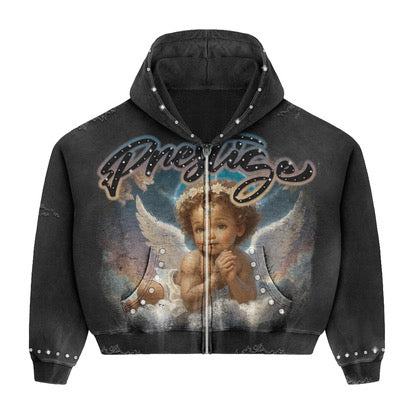
    The hoodie lineup from Prestige deserves special attention since it’s often cited as the gateway for new customers. Reviewers consistently note the weight of the fleece, the structure around the hood, and the way the fit holds up after multiple washes. Because this kind of piece is low-commitment and adaptable, it’s often the first purchase people make when testing a new brand—and Prestige seems to understand that psychology, putting real effort into this category. If you’re unsure where to start, the hoodie range is a sensible low-stakes entry.

    Aside from hoodies, the wider Prestige clothing range includes layering pieces designed to transition between seasons. Heading into 2026, this matters, since climate unpredictability has made buyers more wary about buying pieces that only work for one season. A jacket or knit that works in both cool autumn air and milder winter days offers more cost-per-wear value, and that’s a principle worth applying regardless of which brand you’re shopping.

    What to Know About Fit Before You Commit

    Fit questions are the number one concern for anyone shopping Prestige clothing for the first time, and rightly so. Because there’s no way to try garments on before purchase, you’re depending on size guides, customer photos, and written reviews to make the call. Start by measuring a piece of clothing you already own that has the fit you’re after, then check those numbers against Prestige’s sizing guide rather than guessing based on your typical letter size.

    Many first-time buyers make the mistake of assuming their size in one brand transfers directly to another, which is rarely true in fashion retail. Fabric stretch, cut style, and regional sizing conventions all affect the outcome. If feedback on a Prestige item mentions that a piece “runs small” or “fits true to size,” treat that as just one piece of the puzzle rather than the definitive answer, because body shapes vary widely.

    When in doubt, prioritize checking return policies ahead of purchase instead of after. A flexible exchange window reduces the risk of committing to a size that doesn’t work. This single habit prevents more shopping regret than almost any other tip in this guide.

    New Arrivals vs. Restocks: Weighing Your Options

    In terms of shopping Prestige’s storefront, getting it right hinges largely on timing — and buyers tend to follow two competing approaches. Some shoppers favor jumping on fresh drops right when they release, taking on the risk of limited reviews at that point. Some instead wait for items to restock, trading a bit of exclusivity for the reassurance of seeing real reviews first. The table below maps out the practical trade-offs of each approach so you can decide which matches your personal shopping habits.

    Purchase Method Biggest Plus Main Risk Best For
    Purchasing fresh releases right away Complete size selection remains in stock Reviews and real-world wear reports don’t exist yet Buyers who already know their fit
    Holding off until items restock Access to reviews and fit feedback Certain sizes could already be sold out Cautious or first-time buyers
    Shopping end-of-season sales Lower price point A thinner selection with size gaps Budget-conscious shoppers

    Neither approach is objectively better; it comes down to how much willingness to gamble you’re willing to accept in exchange for choice versus cost. First-time buyers often get the most out of the restock strategy since it allows the accumulated feedback of the community to guide the decision. Once you’re familiar with how Prestige clothes fit and feel, switching to the immediate new-arrivals strategy becomes a much safer bet.

    Interpreting Reviews the Right Way

    Not all Prestige reviews carry the same weight, and learning to filter signal from noise saves you real dollars. Watch for reviews that mention body measurements alongside the size ordered, since generic comments like “great quality” tell you almost nothing useful. Photos included in reviews are particularly valuable because they show how the material hangs on different body types, something standard product shots by themselves can’t always capture accurately.

    Watch for repeated criticisms across multiple reviews rather than dismissing a single negative comment as an outlier. If five distinct reviewers mention that the sleeves are too long on one certain jacket, that’s a signal worth including in your decision. Conversely, one single comment about how accurate the color is might just reflect a display calibration issue rather than a real product flaw.

    Timing also matters. A review from an older collection cycle may not represent what’s currently being produced, since brands can make quiet tweaks to how fabric is sourced or garments are made between batches. When digging into the best of Prestige clothing for 2026 specifically, focus on recent feedback tied to what’s currently for sale rather than outdated reviews.

    Assembling a First Order That Keeps Risk Low

    For a first-time Prestige order, hold back from buying a full outfit all together. Start with one or two pieces, best of all something like a hoodie or a basic tee where fit is generally more flexible and the price is lower. This lets you evaluate how well the brand constructs its pieces and true-to-size accuracy before investing in higher-priced outerwear or knitwear.

    Preserve a written note of the items you buy, factoring in the size you chose and the way it fits on arrival. This personal log turns out to be hugely useful for upcoming buys, since you’ll fast figure out whether Prestige consistently runs true to size for your particular build or whether adjustments are needed on every purchase. Many repeat customers put together this kind of internal size guide within just two or three orders.

    Lastly, be sure not to skip washing and care notes once your items reach you. Even well-constructed garments degrade more quickly in shape and color with incorrect laundering, and this holds particularly for the thicker fleece items in the hoodie range. Adhering to the detailed care instructions that comes with your order protects your investment and keeps the garment looking fresh longer.

    Once you get a handle on its overall structure, sizing tendencies, and review culture, making purchases at Prestige for the first time doesn’t have to feel overwhelming. Start small, pay close attention to details, and let your first order teach you how future ones should go.