Decoding Rick Owens Fashion: Key Silhouettes Every Fan Should Know
Understanding Rick Owens fashion means you stop reading garments as garments and start reading them as architecture. This American designer, who relocated his base to Paris in 2003, builds clothes the way a brutalist builds a bunker: with mass, with shadow, and with a deliberate rejection of ornament. His vocabulary is small yet precise, and once you master the recurring silhouettes you can decode any collection from any season. This analytical breakdown maps the core forms that have defined the label since its late-1990s Los Angeles origins, with the data and context a serious fan needs. We will progress from the foundational drape to the engineered tailoring, finishing with the footwear that grounds it all. Treat the following as a field guide to a very specific visual language.
Drape: Cocoon, Wrap, and Asymmetry
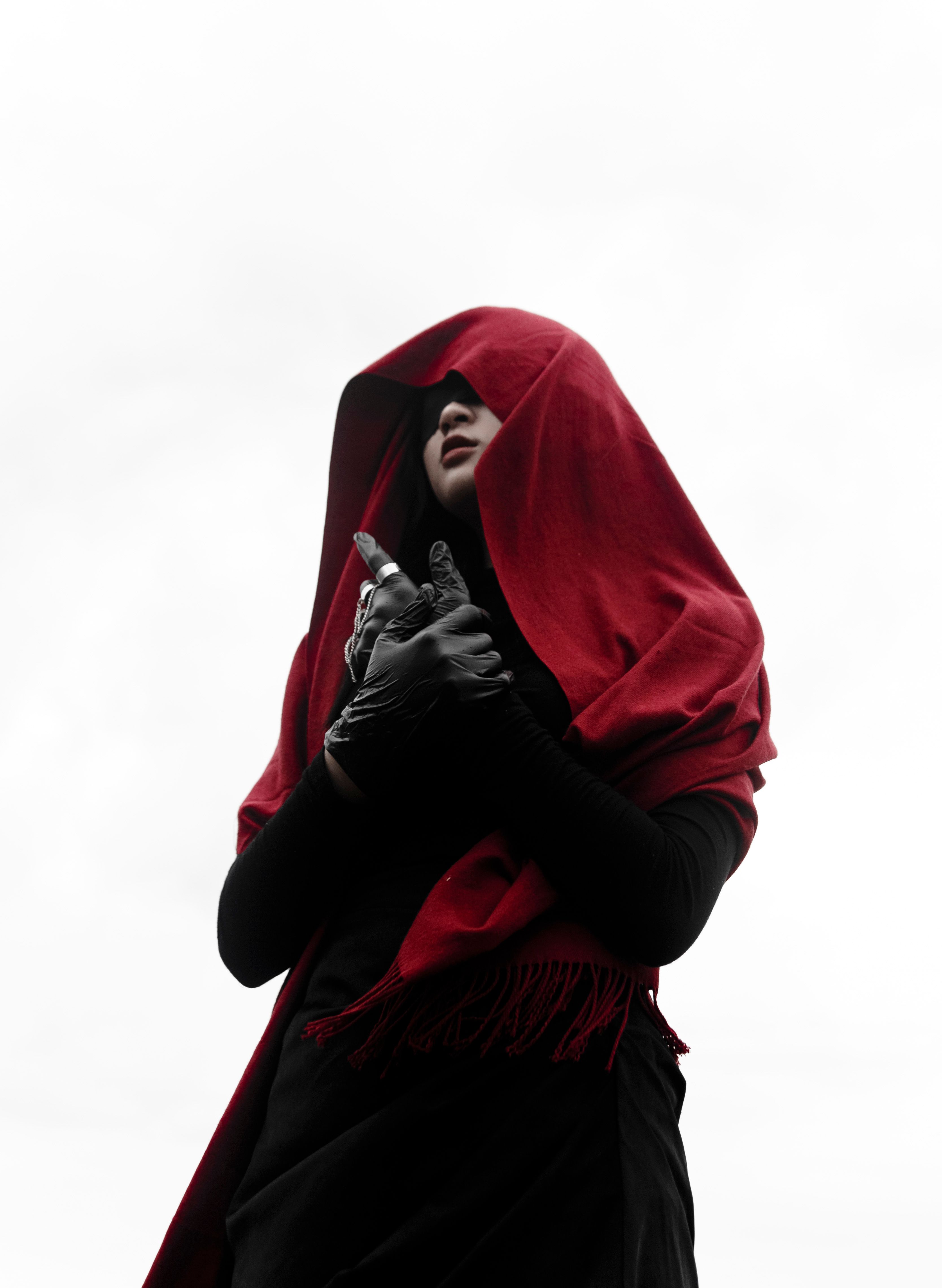
Drape is the genetic code of the house, predating almost everything else in the visual identity. Rather than tailoring fabric to trace the body, the designer lets jersey and viscose drop away from it, generating cocoon coats, off-kilter wraps, and trailing asymmetric hems. The result is the elongated, slightly mournful proportions that photograph so distinctively on a runway. The palette remains disciplined here, nearly always black, dust, pearl, or milk, as color would pull attention from the sculptural movement. Technically speaking, much of the drape relies on heavyweight jersey and bias-cut panels that shift as the wearer moves, transforming a static garment into something kinetic. Fans ought to learn to recognize the single-shoulder wrap and the elongated cocoon, since these forms return, slightly modified, season after season. Understanding drape is the foundation for understanding everything that follows.
Brutalist Tailoring and the Engineered Jacket Form
If drape is the soft language, tailoring is the hard one, and the two are constantly in dialogue. The label’s leather jackets in particular are engineered with diagonal zips, exaggerated lapels, and panels that wrap the torso like exoskeleton plating. A signature mainline leather jacket Rick Owens sells for between 3,500 and 5,000 EUR in 2026, a figure justified by the hand-finishing and the dense Italian lambskin involved. These pieces are not tailored to flatter in the conventional sense; they are tailored to impose a shape, which is the brutalist instinct made wearable. The well-known biker silhouette, with its off-center zip and stand collar, has remained strikingly consistent for over fifteen years, a rarity in an industry fixated on reinvention. Studying the seam placement shows you how the designer thinks, as each panel is there for structural rather than decorative reasons. This engineered approach is what sets the brand apart from ordinary luxury outerwear.
DRKSHDW and the Democratized Silhouette
Launched as a diffusion line, DRKSHDW carries the mainline’s sculptural ideas into cotton and denim at a more accessible price. The line is where most fans first encounter the silhouettes in person, since a DRKSHDW hoodie sits at roughly 290 to 490 USD next to four-figure mainline knits. Drop-crotch trousers, elongated tees, and pod-pocket hoodies bring the elongated proportions into everyday fabrics that survive real life. Crucially, DRKSHDW is not a watered-down imitation; it is a deliberate study in how far the silhouette language can stretch into casualwear. The drop-crotch pant in particular is a masterclass, lowering the rise sharply to produce that distinctive draped leg without any tailoring whatsoever. For analytical fans, DRKSHDW is the clearest place to see how a single design philosophy scales across very different price points. It shows the silhouettes are conceptual, not simply a function of costly materials.
A Silhouette Quick-Reference Table
The shapes below recur across collections, and memorizing them turns aimless browsing into confident reading. Every entry matches a silhouette to its defining feature and a rough 2026 price band so you can set it in context. Prices represent current mainline and diffusion retail, drawn from the official boutique and leading stockists. Keep this as a quick reference for when you hit an unfamiliar piece and need to fit it into the system. The decades-long consistency of these forms is the very point, since the house values evolution over revolution. Once these are internalized, the whole catalog becomes legible.
| Silhouette | Defining Trait | Usual Line | 2026 Price Range |
|---|---|---|---|
| Cocoon coat | Enveloping, rounded back | Mainline | 1,800 to 3,200 EUR |
| Biker jacket | Off-center diagonal zip | Mainline leather | 3,500 to 5,000 EUR |
| Pod hoodie | Elongated front pocket | DRKSHDW | 290 to 490 USD |
| Drop-crotch pant | Sharply lowered rise | DRKSHDW | 320 to 540 USD |
| Geobasket sneaker | High-top with a thick tongue | Mainline | 1,050 to 1,300 EUR |
The Palette as Structure
Color in this world is not decoration but a structural tool, which is why the named shades matter so much. Black, dust, pearl, and milk are not random marketing words; they define a tonal range that keeps the eye on form rather than hue. Stripping out bright color, the designer pushes attention onto drape, seam, and proportion, the actual subjects of the work. This restraint is also why the pieces combine so effortlessly, since a milk top and a dust trouser will always agree with each other. Seasonal collections occasionally introduce a muted rust or a bone tone, but the spine stays monochrome year after year. Those who grasp the palette logic understand why the clothes feel cohesive even across decades of output. The discipline is the aesthetic, and the aesthetic is the brand itself.
The Footwear as Final Punctuation
No silhouette study is complete without the footwear, because the shoes finish the proportional sentence the garments begin. The Geobasket, Ramones, and DRKSHDW high-tops each extend the same elongated, slightly bulbous geometry of the clothing down to ground level. A Geobasket retails between 1,050 and 1,300 EUR in 2026, and its towering profile intentionally exaggerates the leg line set by drop-crotch trousers. The Ramones strikes a lower, more versatile stance, while the diffusion high-top recasts the form in canvas at a fraction of the cost. What ties them together is that none is meant to disappear; each is a structural piece that completes the architecture of an outfit. Fans who skip footwear miss how intentionally the silhouettes run all the way to the floor. Reading the shoes means reading the final word of the look.
How the Silhouettes Evolved
The forms seem timeless, but they did develop along a traceable path that rewards a bit of historical context. The drape language emerged in the late-1990s Los Angeles period, when the designer had limited resources and leaned into bias-cut jersey out of both instinct and economy. The brutalist tailoring came into focus after the 2003 move to Paris, where access to Italian leather workshops elevated the engineered jacket into its definitive form. DRKSHDW appeared later as a deliberate push to carry the proportions to a wider audience without watering down the core ideas. Across more than two decades, the silhouettes have been refined rather than replaced, which is why a piece from one era still pairs cleanly with a recent one. This evolutionary consistency is unusual in fashion and is central to why collectors trust the archive. Understanding the timeline lets the recurring forms read as intentional rather than repetitive.
Putting the Whole Language Together
Decoding these silhouettes individually is useful, but the real fluency comes from seeing how they stack. A typical complete outfit might set a draped cocoon layer over an elongated tee, finished with drop-crotch trousers and a Geobasket, with every element speaking the same dialect. This is why the catalog reads as unified despite spanning soft jersey and rigid leather, because everything obeys the same proportional rules. The “glunge” label, glam grunge, captures the tension at the heart of it, luxury materials styled with a deliberately undone attitude. For fuller context on the designer’s career and recurring forms, the archive at Vogue is an authoritative starting point, together with the official lookbooks at rickowens.eu. Master the parts, then watch how they come together, and the whole system clicks into place. That fluency is what sets a fan apart from a collector.
اترك تعليقاً