How The Row Became Shorthand for Quiet Luxury
Ask anyone paying attention to fashion in the last decade and they will tell you the same thing: The Row fundamentally reshaped what luxury is meant to look like. No logos hollering from a shoulder strap, no seasonal gimmicks, no colour-blocked campaigns engineered to be screenshotted. Instead, the label’s reputation was forged through fabric weight, seam placement, and a discipline that once read as unfashionable. Now, that very restraint stands as the whole point. The Row has become shorthand for “quiet luxury,” a phrase that gets thrown around loosely but that this brand actually earned through more than fifteen years of unglamorous discipline.
Understanding how a single label reached this position requires looking past the finished handbag or coat and into the decisions that got it there — decisions about who founded it, how it prices things, and why its bags in particular became the object every minimalist wardrobe seems to need.
The Origins: Mary-Kate and Ashley Olsen’s Unlikely Pivot
In 2006, The Row came into being, founded by Mary-Kate and Ashley Olsen — two former child actors who’d passed their entire lives in front of cameras and, rather unexpectedly, decided to create one of the most earnest ready-to-wear labels of their generation. The name itself references Savile Row, the London street synonymous with bespoke tailoring, and that reference was not decorative. Right from the outset, the Olsens were pursuing a level of construction quality more associated with menswear tailoring houses than contemporary womenswear.
Initial collections were small and costly, and critics doubted that two actresses could deliver anything more than a vanity project. It wasn’t long before that skepticism evaporated. In just a few years, The Row had collected industry recognition — a CFDA Award the row vintage shoulder bags among it — and was carried earnestly at Barneys and Net-a-Porter, far from a novelty line. Its slow, deliberate growth — scarce flashy collaborations, almost no conventional advertising — turned into part of its identity rather than a limitation.
By the 2020s the Olsens had shaped something more akin to a workshop than a typical fashion label — pattern-cutting and fit sessions sometimes running for months on just one garment. That fixation on detail is the true engine behind the “quiet luxury” tag, and it accounts for why the brand’s bags, in particular, became so highly sought-after.
The Rise of “Quiet Luxury” as the Central Phrase
That expression caught fire in everyday use around 2023, owing in part to television and partly due to a broader fatigue with logo-driven dressing. Yet The Row had followed this approach since 2006, years before it was ever named. The house’s approach is built on a small set of consistent principles: understated tones built around black, cream, camel and grey; fabrics selected for hand-feel rather than fashion-forward appeal; and shapes that rarely change significantly across collections.
Here is a house that regards reliability as a merit as opposed to a creative limitation. A coat drawn from the 2019 collection can be placed right beside a 2026 piece and still look current, since the design vocabulary shifts so little. None of that is accidental. Permanence, not virality, is what The Row is chasing, since shoppers who spend four figures on a single item tend to want endurance rather than something new.
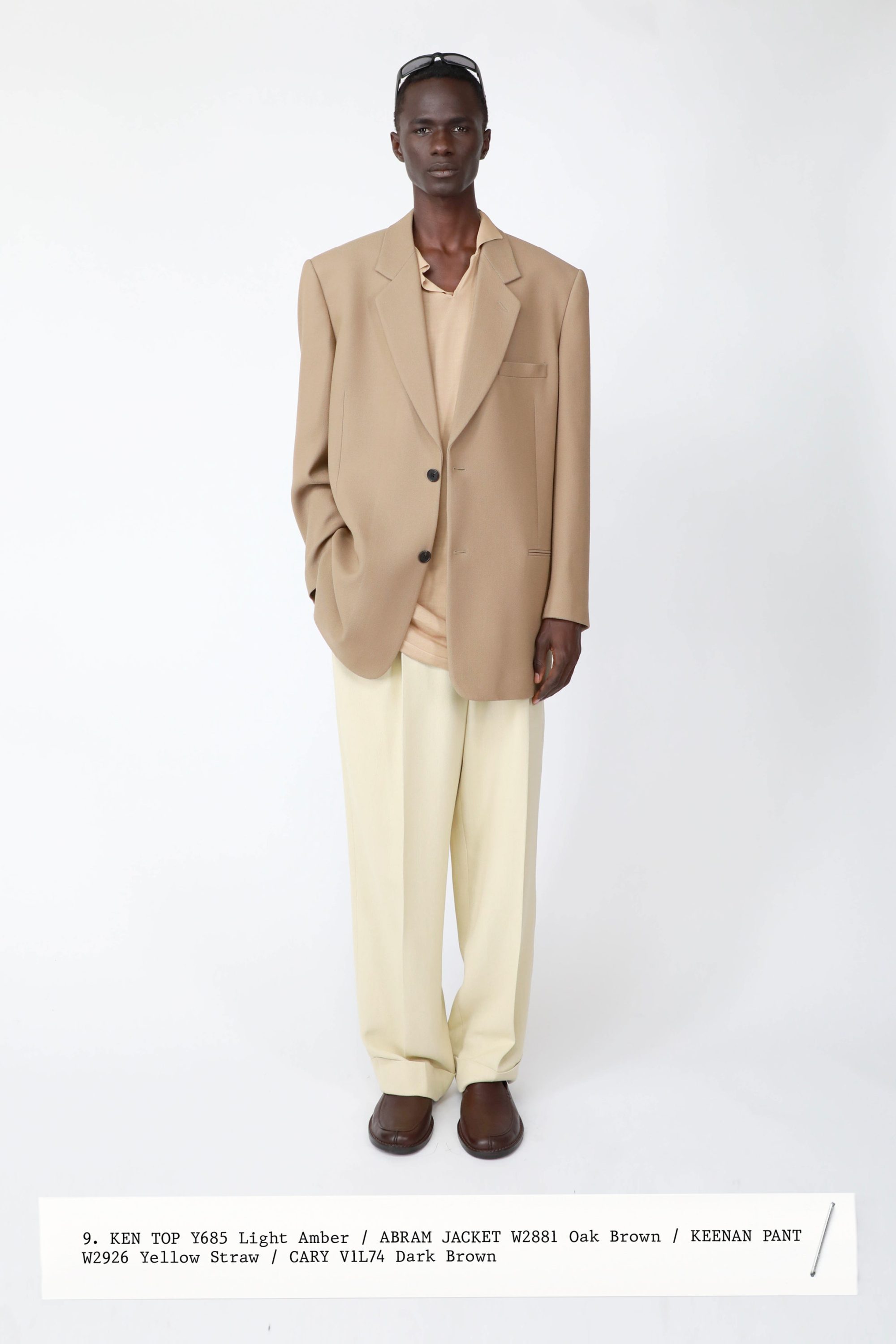
Cost is another chapter in the narrative. The Row’s brand placement sits at the upper echelon of modern high-end fashion, with off-the-rack garments often reaching the thousands and accessories falling into a comparably exclusive range. Such pricing underscores its exclusive status, but it also speaks to real manufacturing expenses: Italian and Japanese textile sourcing, hand-finishing, and small production runs that steer clear of the excess-stock cycles typical of larger houses.
The Bags: Where the Brand’s Reputation Really Lives
While outerwear laid the groundwork for The Row’s formative acclaim among critics, the bags are what carried the brand into mass cultural awareness. Search demand around “the row bags,” “row handbags,” and “the row handbags” has risen consistently as fashion stylists, editors and casual buyers alike started treating select styles as long-term investment pieces rather than short-lived seasonal picks.
The Margaux is the obvious centerpiece. Introduced in the mid-2010s, it became one of those rare bags that transcended its own category — praised for slouchy, structureless leather that looked expensive precisely because it wasn’t trying to look like anything else. Shoppers searching “where to buy The Row Margaux bag” are usually met with long waitlists at flagship stores and select luxury retailers, because production is intentionally limited. That scarcity is not a marketing trick so much as a byproduct of the brand’s small-batch manufacturing philosophy.
The label’s tote offerings, beyond the Margaux, have built up similar devotion. The Row’s tote lineup tend to favor exaggerated scale, pared-back hardware, and leather designed to age gracefully and gain character over time rather than remain flawless-looking. Unlike bags built to look the same from day one through day five hundred, these pieces are expected to change with wear. For anyone forming a “row bags overview” mentally, it helps to know the house typically splits its accessory line into structured top-handles, soft, relaxed shoulder bags, and oversized totes — three categories that cover most of what’s regarded as the top row bags by resale demand and media attention.
Stacking Up The Row’s Signature Bag Groupings
For those unsure where to begin, it’s useful to lay out the main bag families side by side. The comparison below represents broad traits observed across shopping and resale marketplaces rather than set prices, since stock levels and pricing change according to new drops and resale demand.
| Bag Type | Overall Form | Best For | Buyer Interest |
|---|---|---|---|
| Margaux | Relaxed, semi-structured tote shape | Everyday luxury, work-to-weekend use | Very high demand; waitlists are common |
| The Row Tote (oversized styles) | Roomy tote with understated fittings | Work, travel, and capsule-collection use | Elevated; reliably sought after on the secondary market |
| Top-handle styles | Structured, compact | Formal occasions, evening use | Steady though niche demand |
| Shoulder-bag designs | Loose, softly shaped | Regular, low-key daily use | High; favored by minimalist dressers |
What the table doesn’t fully capture is resale behavior. Several of these styles keep their resale value remarkably well compared to other high-end handbag labels, which is one reason why searches for “best row bags” frequently direct people toward resale sites and consignment shops rather than only primary retail. Scarcity plus consistent design language equals a genuinely defensible resale market, something not every luxury label can claim.
How The Row Fashion Positions Itself in 2026
Heading into 2026, The Row’s broader ready-to-wear line continues to expand cautiously — tailored trousers, cashmere knits, and pared-back outerwear stay at its core, with occasional footwear and jewelry additions that stick to the same understated logic. It has avoided the round of collabs so many contemporaries lean on for relevance, and it continues to decline to lean heavily into social media marketing the way most fashion houses now do as standard practice.
Paradoxically, this restraint has managed to keep it current. The Row fashion is often referenced in year-end “quiet luxury” roundups not because it shifted to follow a trend, but because the trend eventually caught up to what the brand had already been doing since 2006. Retailers observe that interest spikes around awards season and major fashion weeks, when editors and stylists put Row pieces on red carpets and front rows, cementing the label’s identity without any paid placements at all.
The Row Sale Occasions and How Shoppers In Practice Buy In
Given how the pricing sits, plenty of shoppers wait for a row sale rather than paying full price, and it’s evolved into a ritual all its own. Given that The Row hardly ever cuts prices on its own platforms, the majority of markdowns take place through authorized multi-brand retailers throughout their general seasonal discount stretches, along with selective inventory clearing through resale and consignment marketplaces. Those chasing marked-down the row bags should anticipate colors and sizes from past seasons rather than current-season releases, since newer styles rarely get discounted quickly.
Waiting it out tends to work in buyers’ favor here. Because production runs are small, discounted stock vanishes quickly, and popular sizes in bags like the Margaux seldom survive a full sale window. Shoppers committed to scoring a discounted find typically follow multiple retailers rather than relying on the brand’s own site, since independent sellers often move faster with markdowns.
Why the Appeal Endures
The Row’s ascent reveals something larger about where luxury consumers have shifted. Following an extended period of maximalist, logo-heavy status signaling, a sizable segment of buyers started prizing subtlety — garments and bags that signal taste only to those already in the know, rather than broadcasting price to everyone else. The Row never ran after that trend; it simply kept doing what it started doing in 2006, and the culture eventually organized itself around that identical set of principles.
Whether someone starts with just a tote, a waitlisted Margaux, or an entire wardrobe assembled gradually over years, the brand’s core proposition hasn’t changed: fewer, better things, made without much noise. Holding to that promise at scale isn’t easy, and that’s precisely why The Row still remains almost unrivaled at the summit of quiet luxury heading into 2026.
اترك تعليقاً